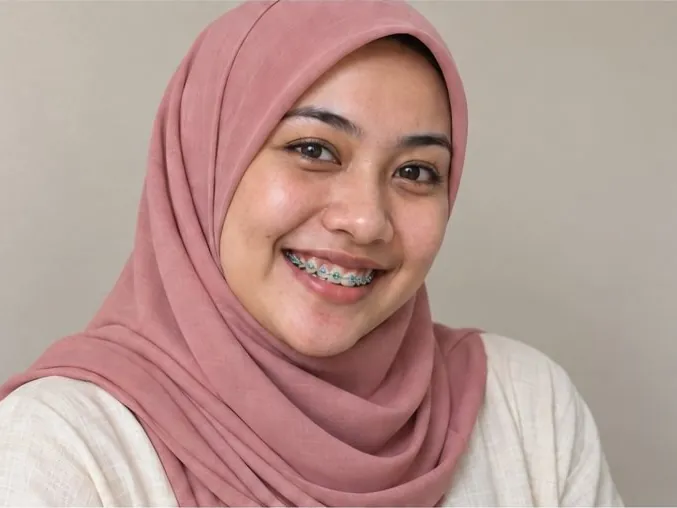
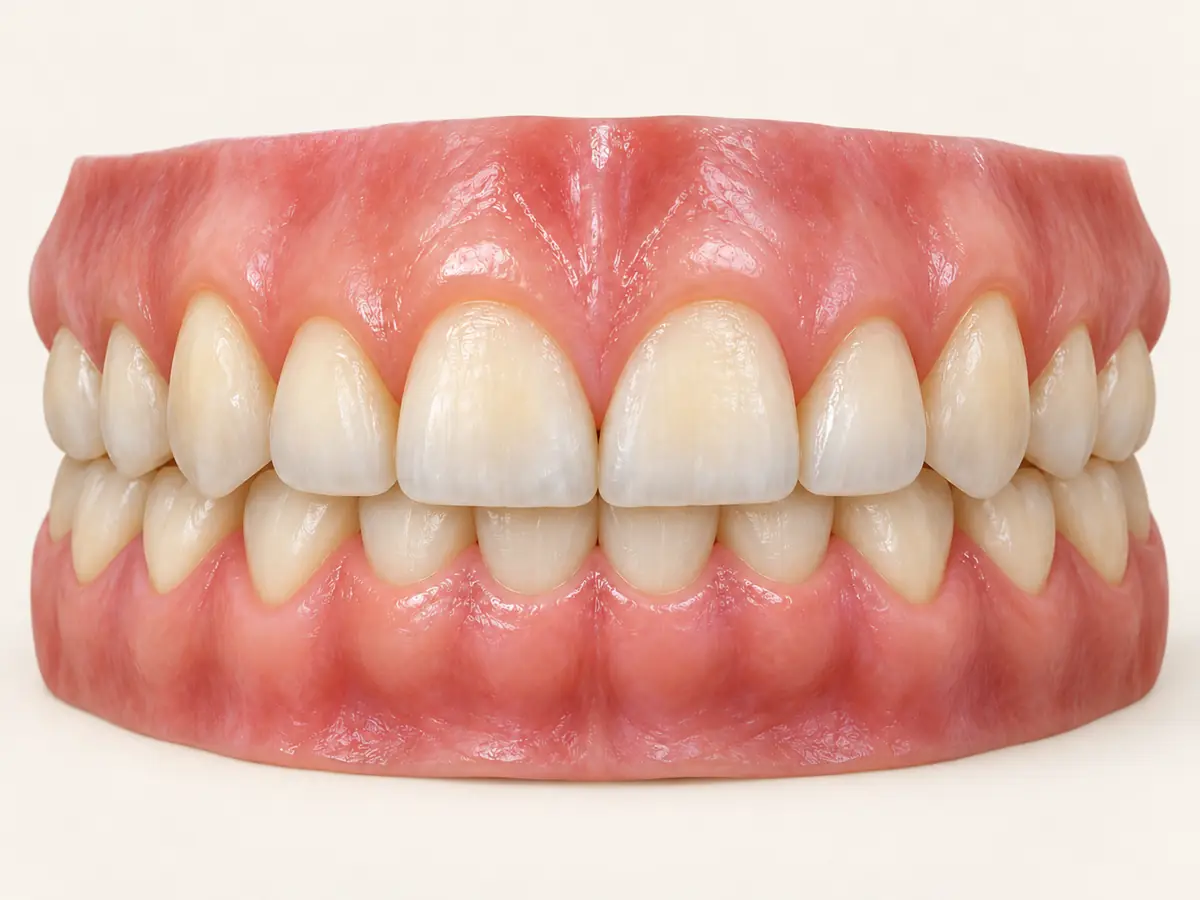
Whether your teeth are crowded, have noticeable gaps or simply don't line up the way you'd like, braces may be able to help. But before deciding on treatment, it's natural to have questions.
How much do braces cost? What's the difference between conventional and self-ligating braces? Will they hurt? And how long will you need to wear them?
This guide walks you through the essentials, from understanding how braces work and comparing your options to knowing what happens during treatment and how to care for your teeth.
The aim is simple: to help you understand your options so you can make a more informed decision.
Guide
What Are Braces and How Do They Work?
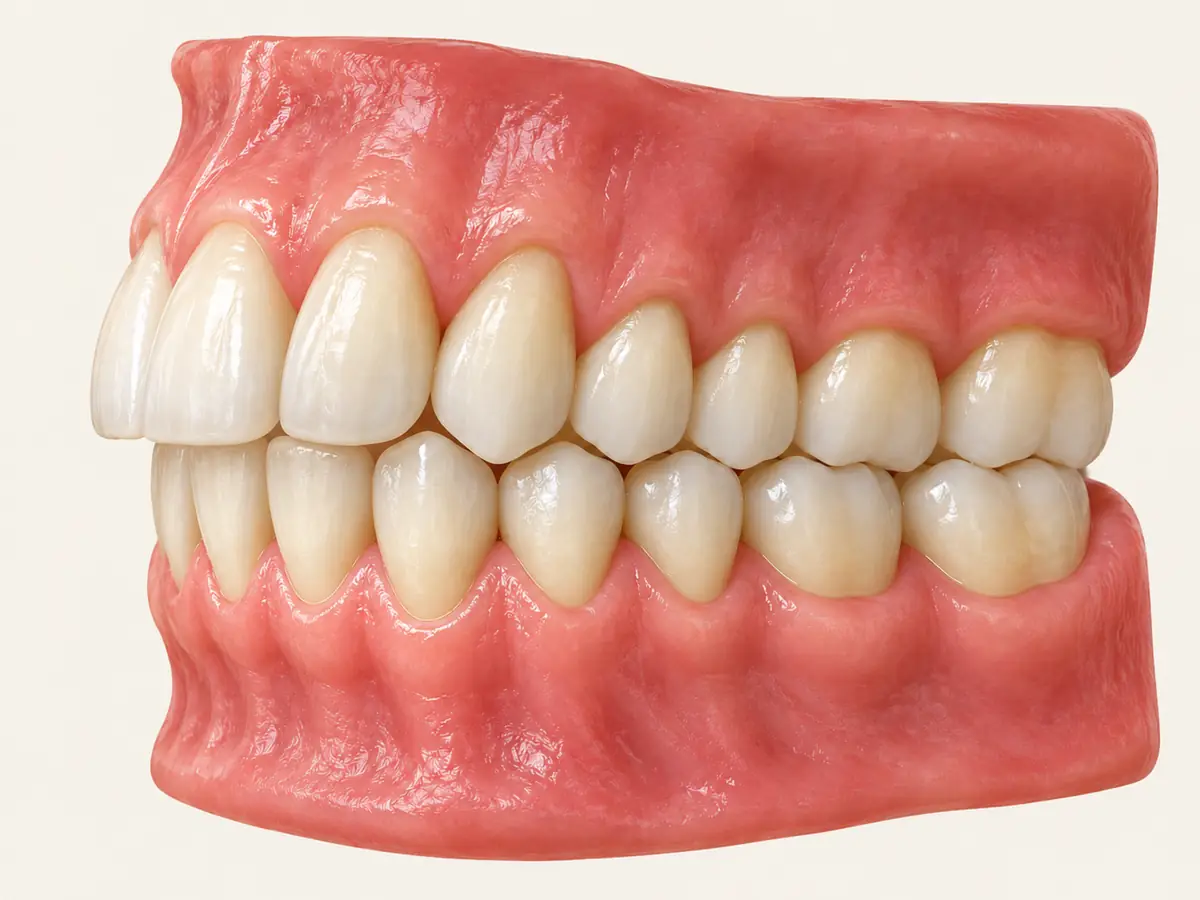
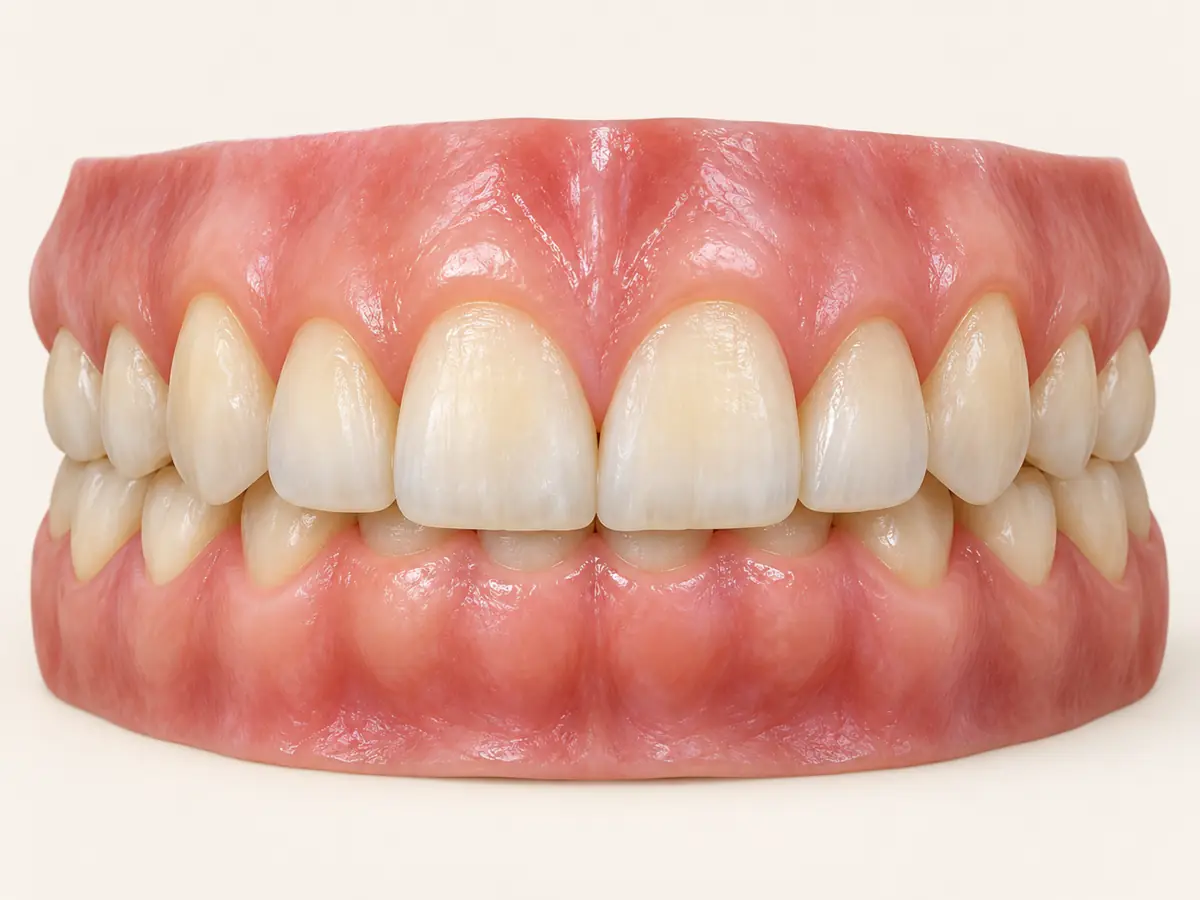
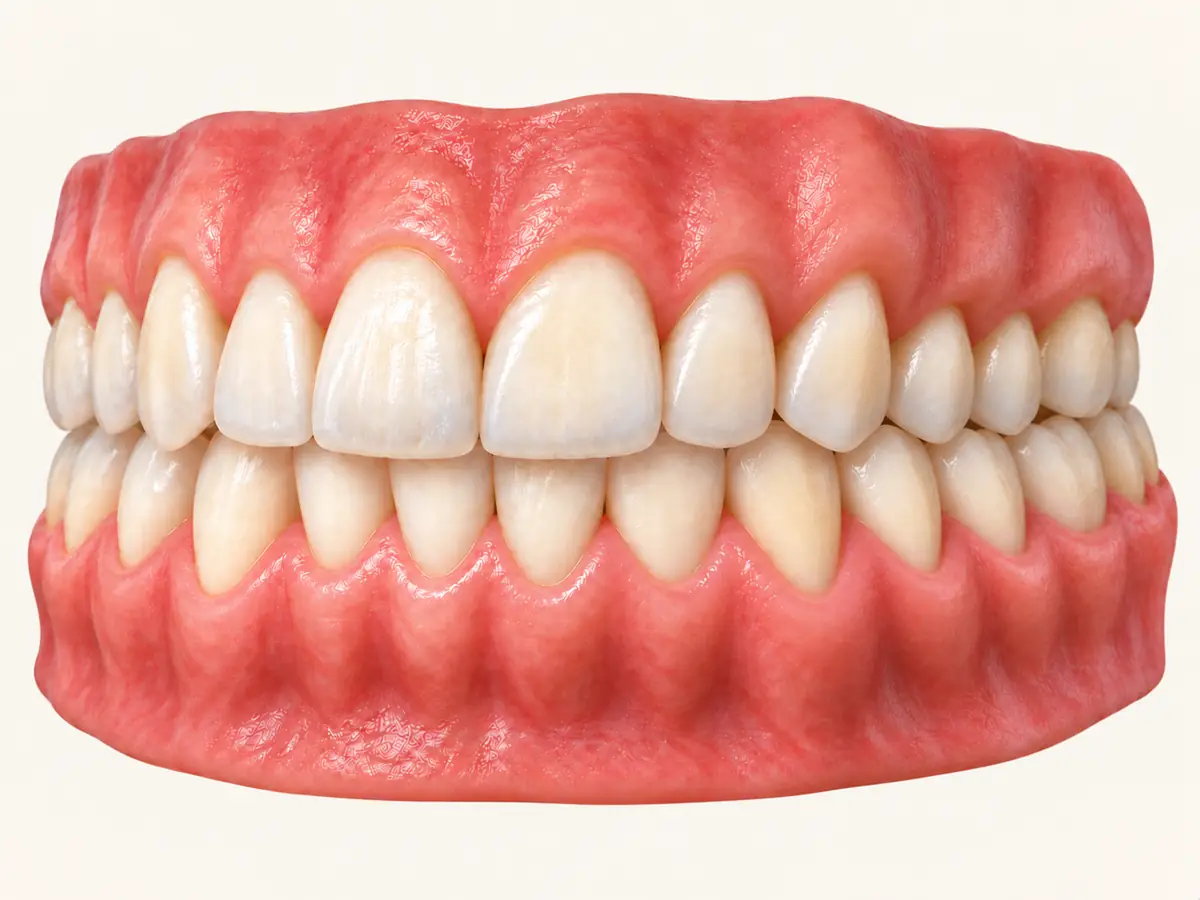
Braces are orthodontic appliances used to gradually move teeth into more suitable positions. They can help straighten crooked teeth, close certain gaps and improve the way your upper and lower teeth fit together when you bite.
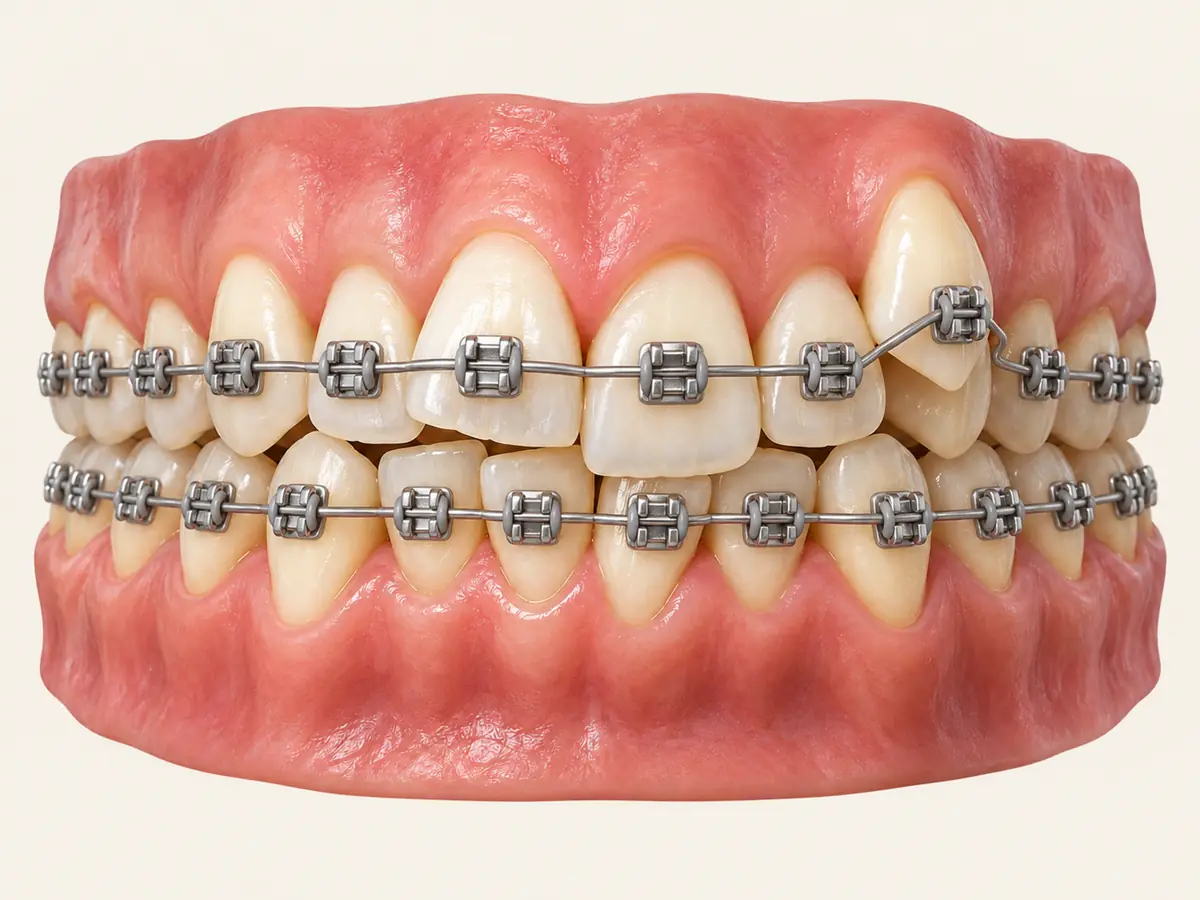
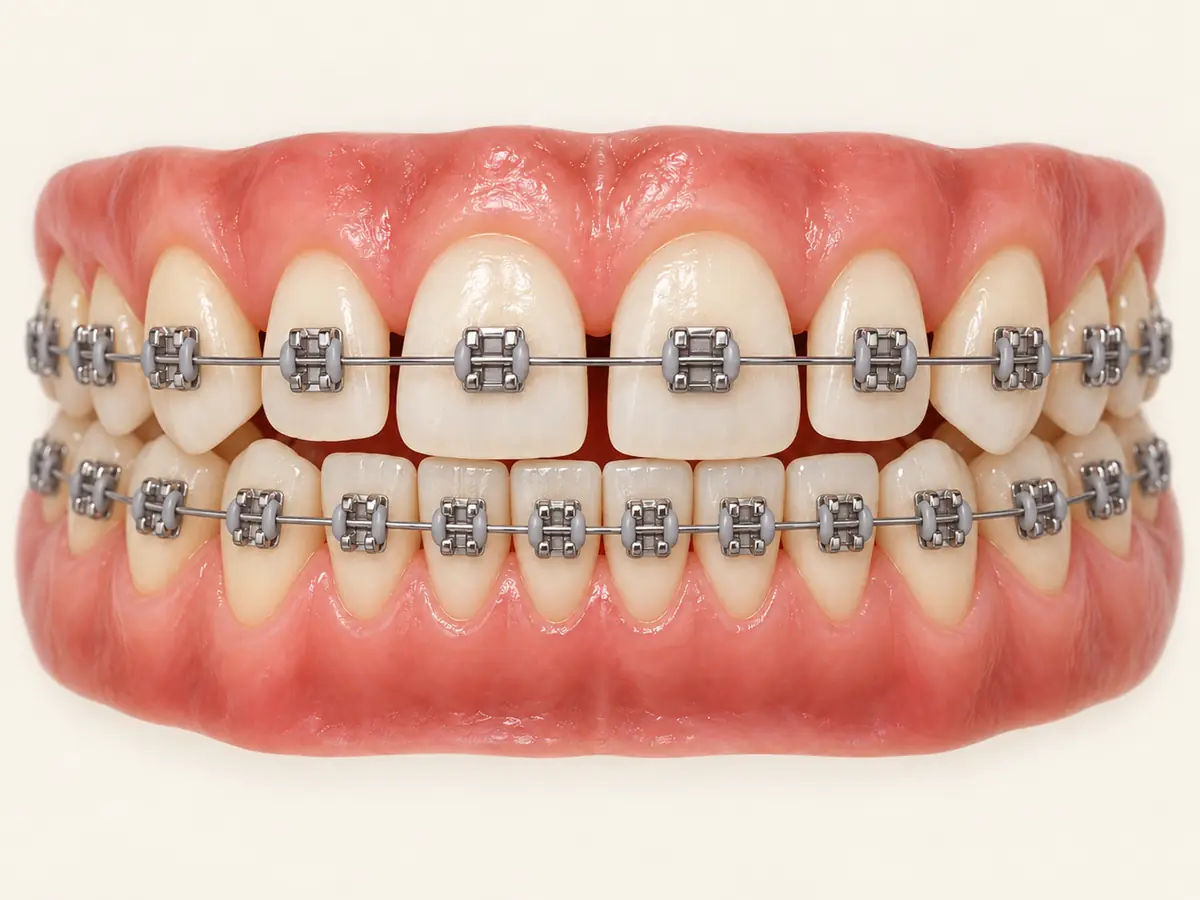
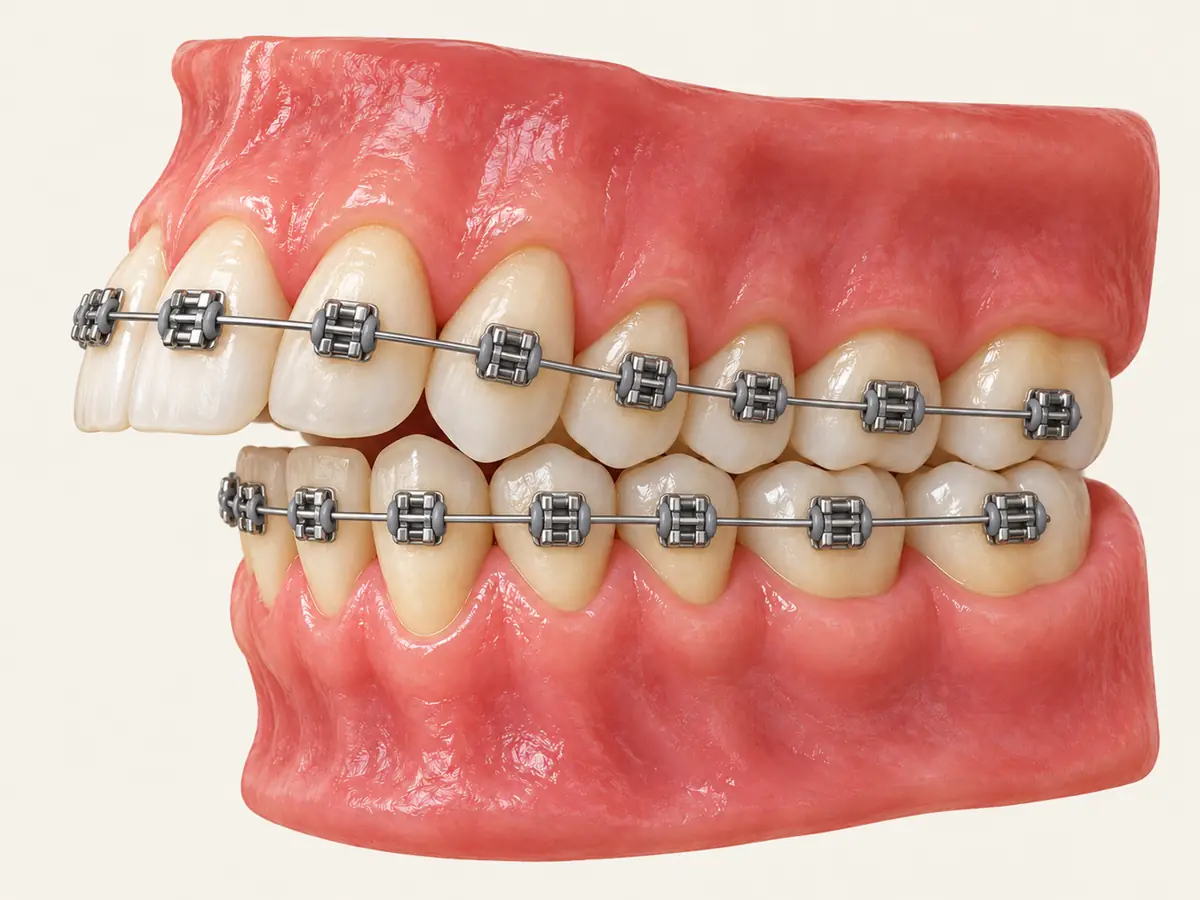
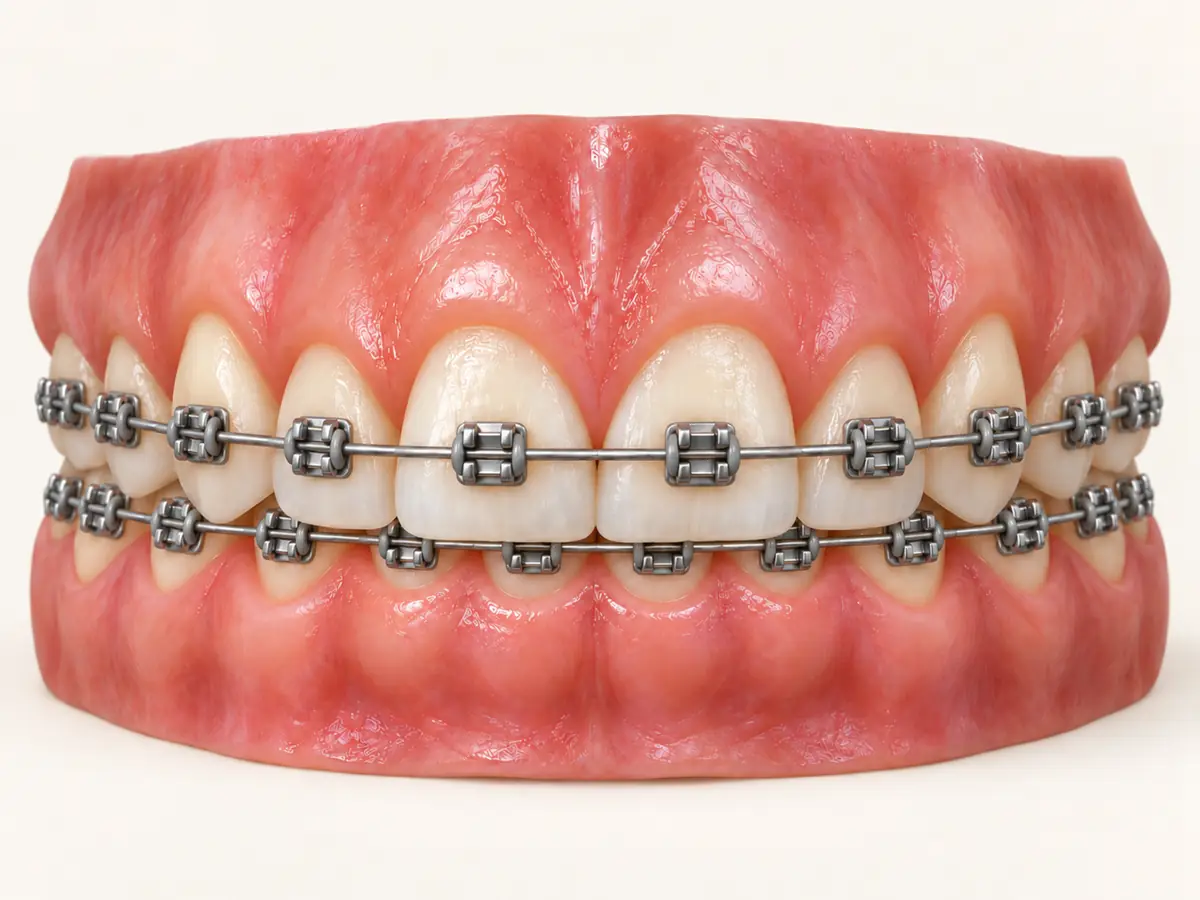
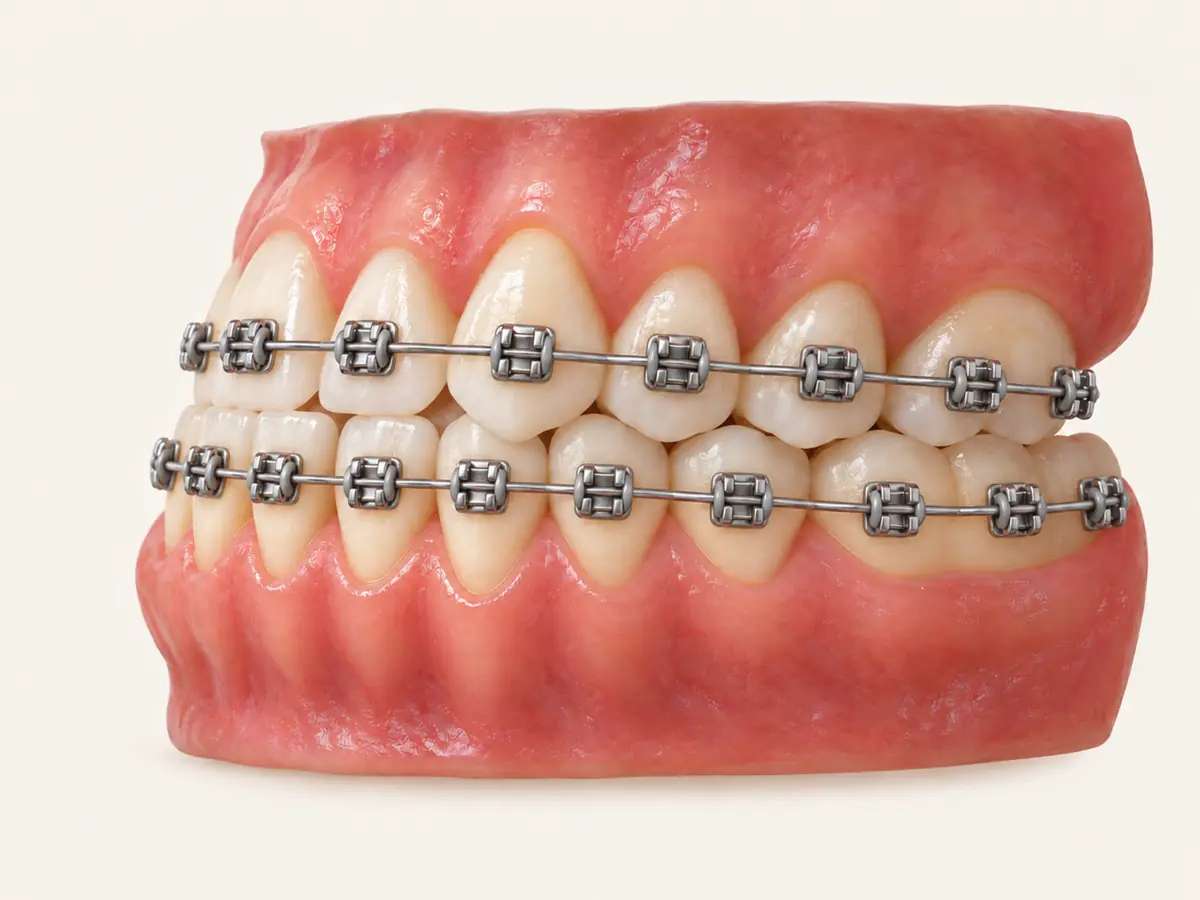
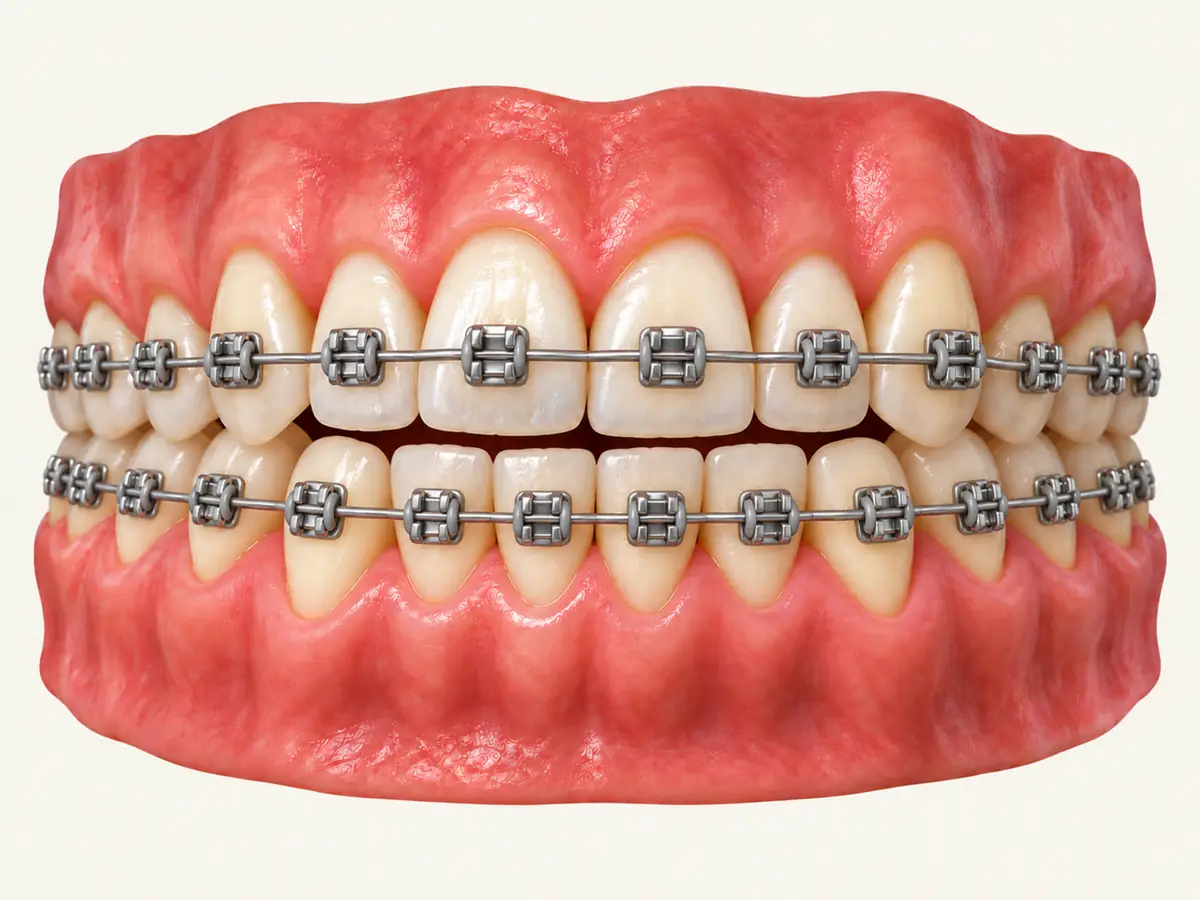
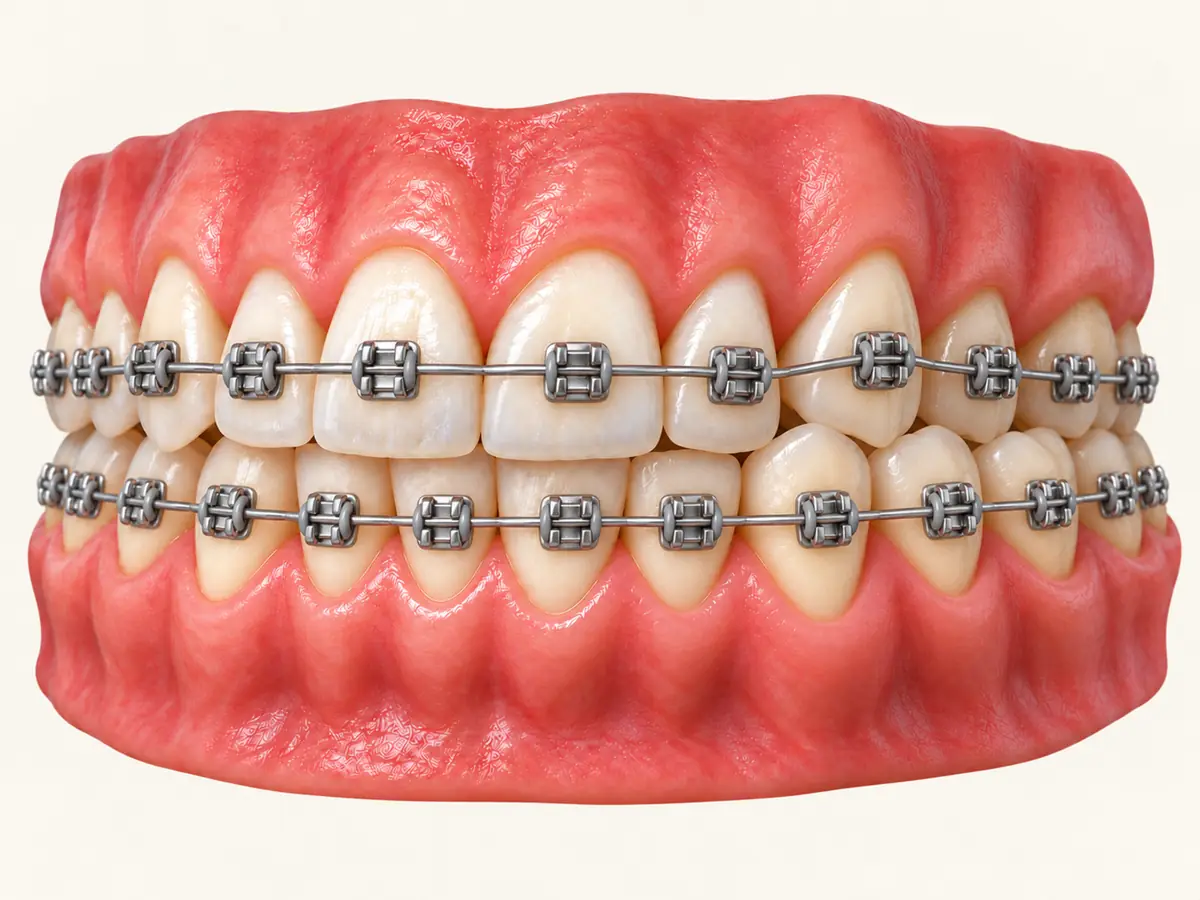
Most fixed braces use small brackets attached to the teeth, connected by a thin orthodontic wire.
The wire applies controlled forces that gradually move your teeth. As the teeth move, the surrounding bone adapts to support their new positions.
This process takes time, which is why braces treatment involves regular appointments to monitor progress and make adjustments when needed.
What Dental Problems Can Braces Help With?
Braces are commonly used to treat several types of tooth alignment and bite problems.
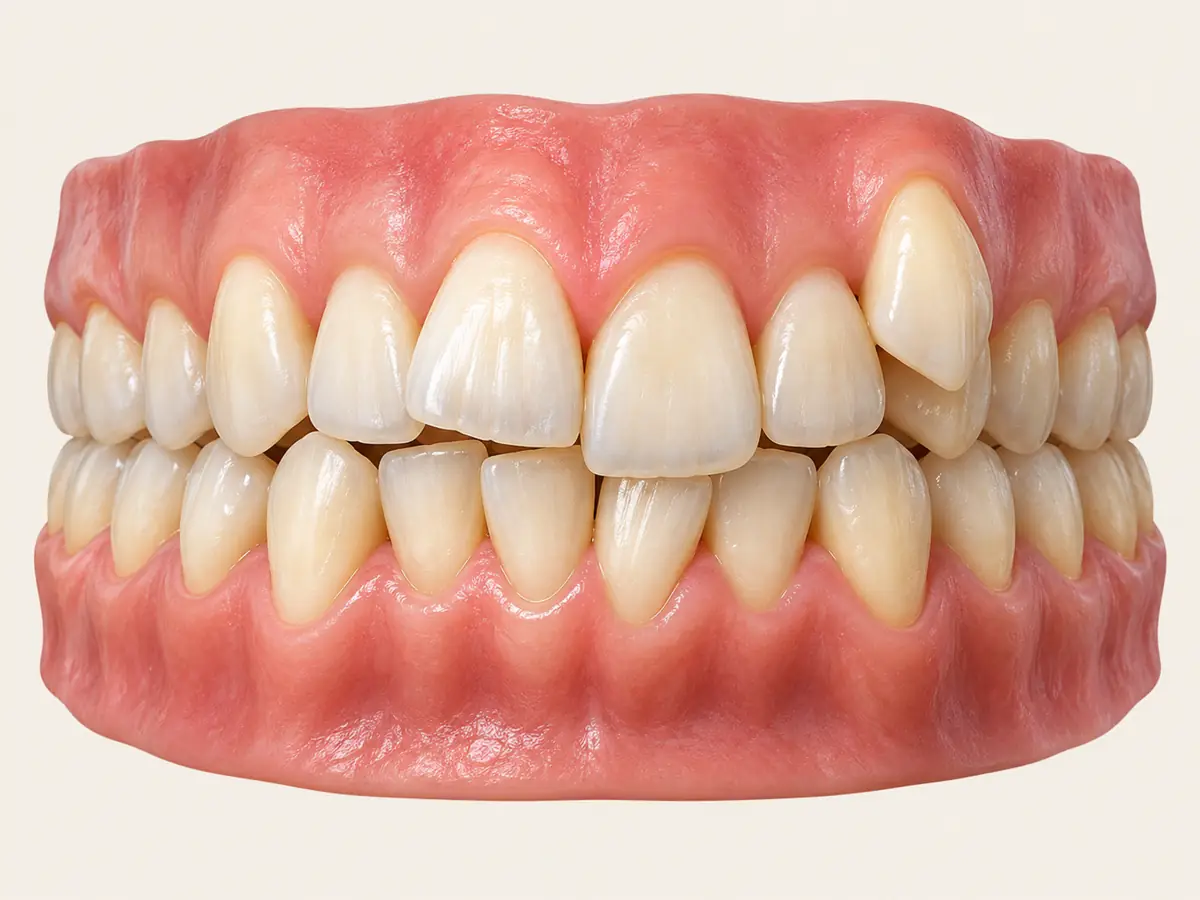
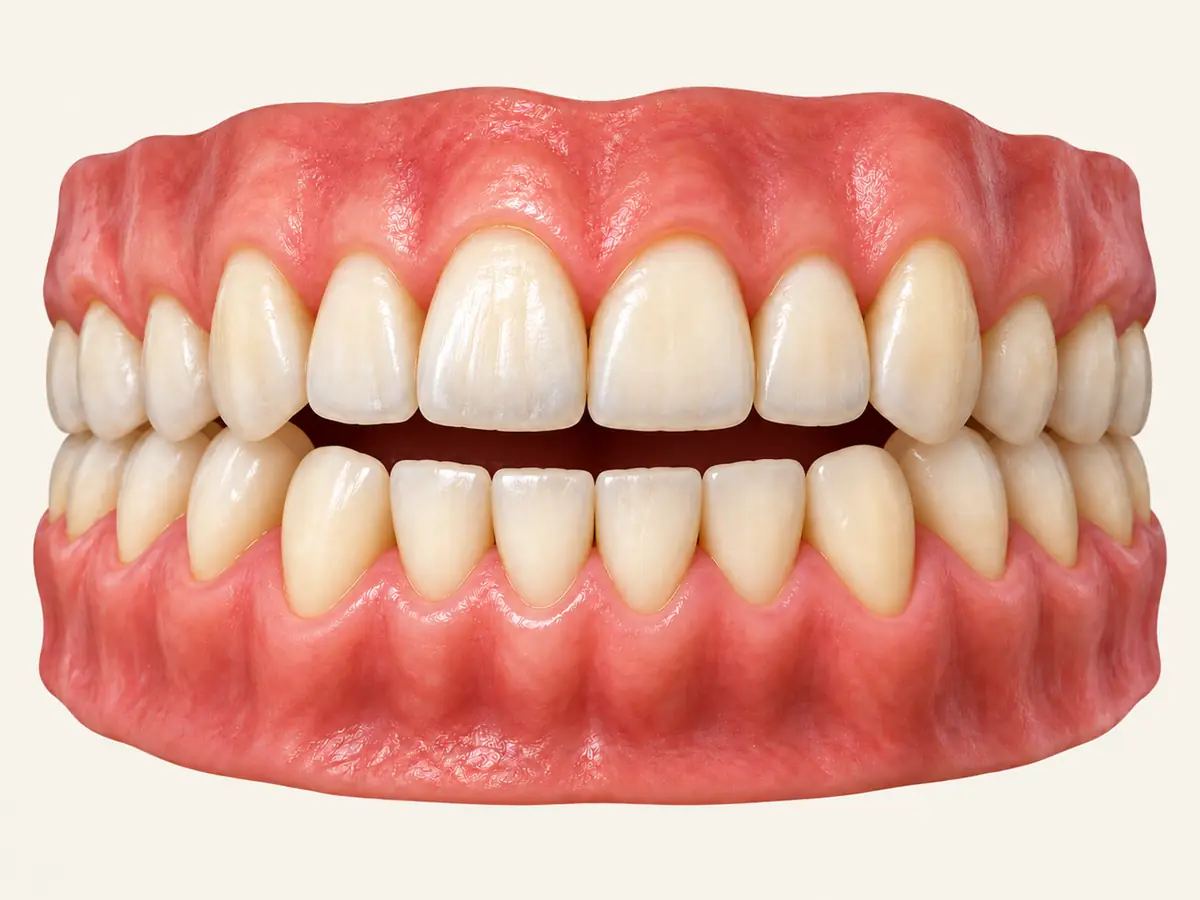
1. Crowded or crooked teeth
When there isn't enough room for all your teeth to line up properly, they may overlap, twist or sit out of position.
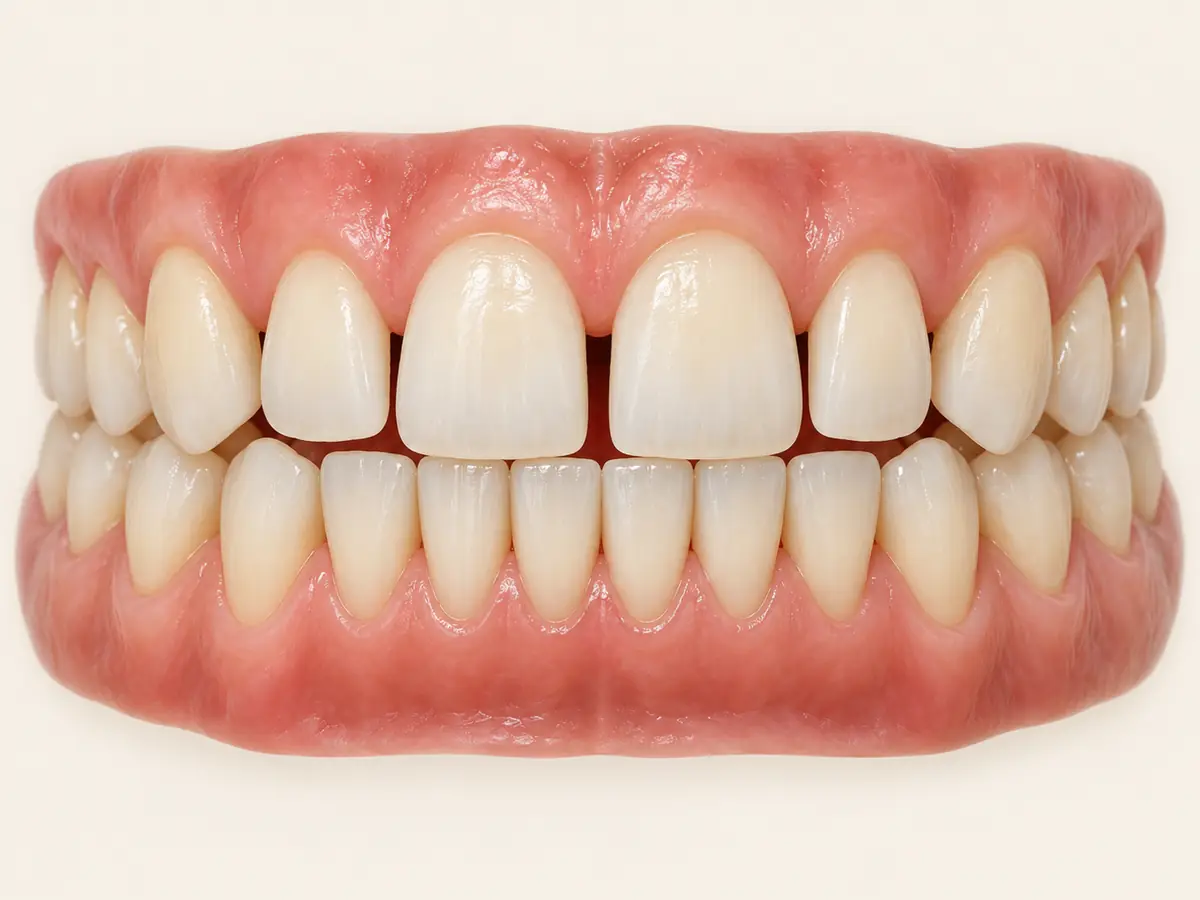
2. Gaps between teeth
Some people have noticeable spaces between their teeth. Depending on the cause, braces may help close these gaps.
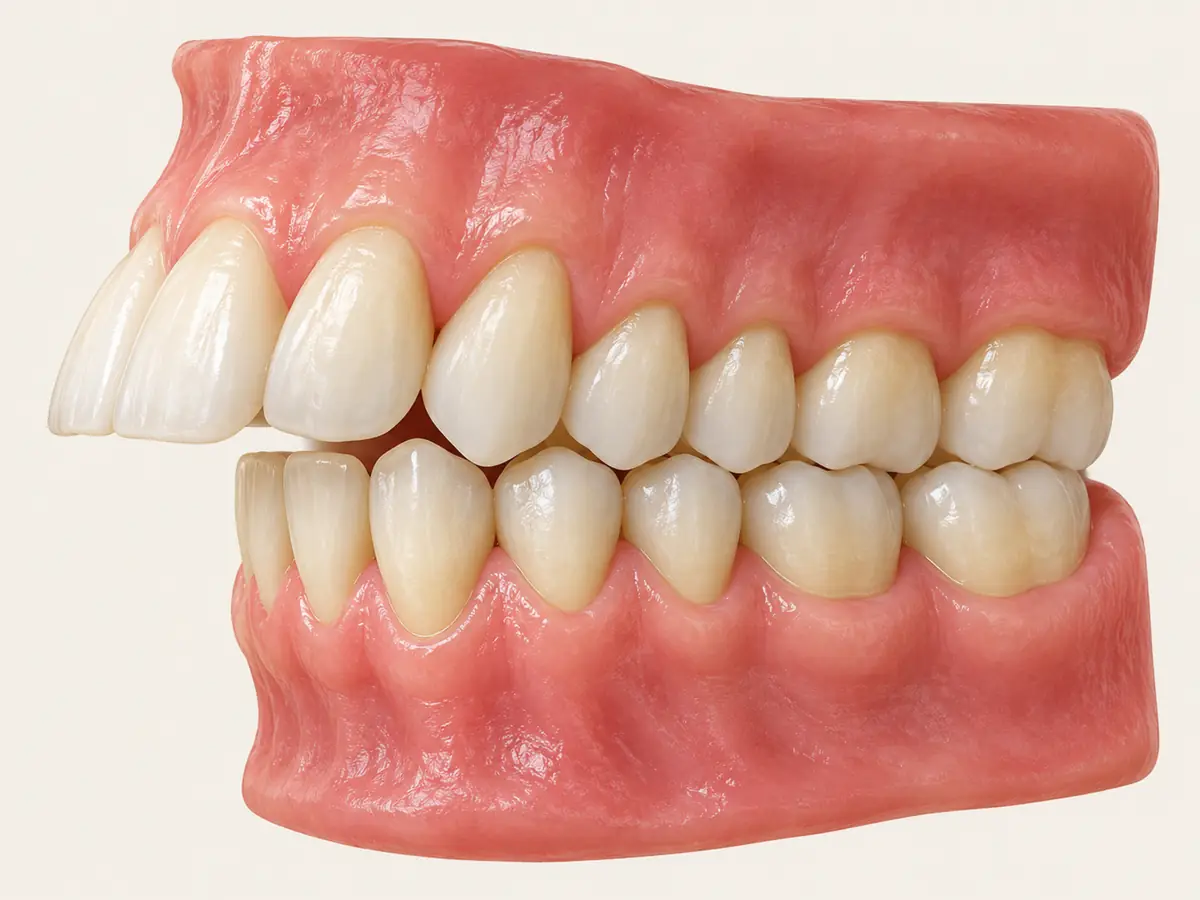
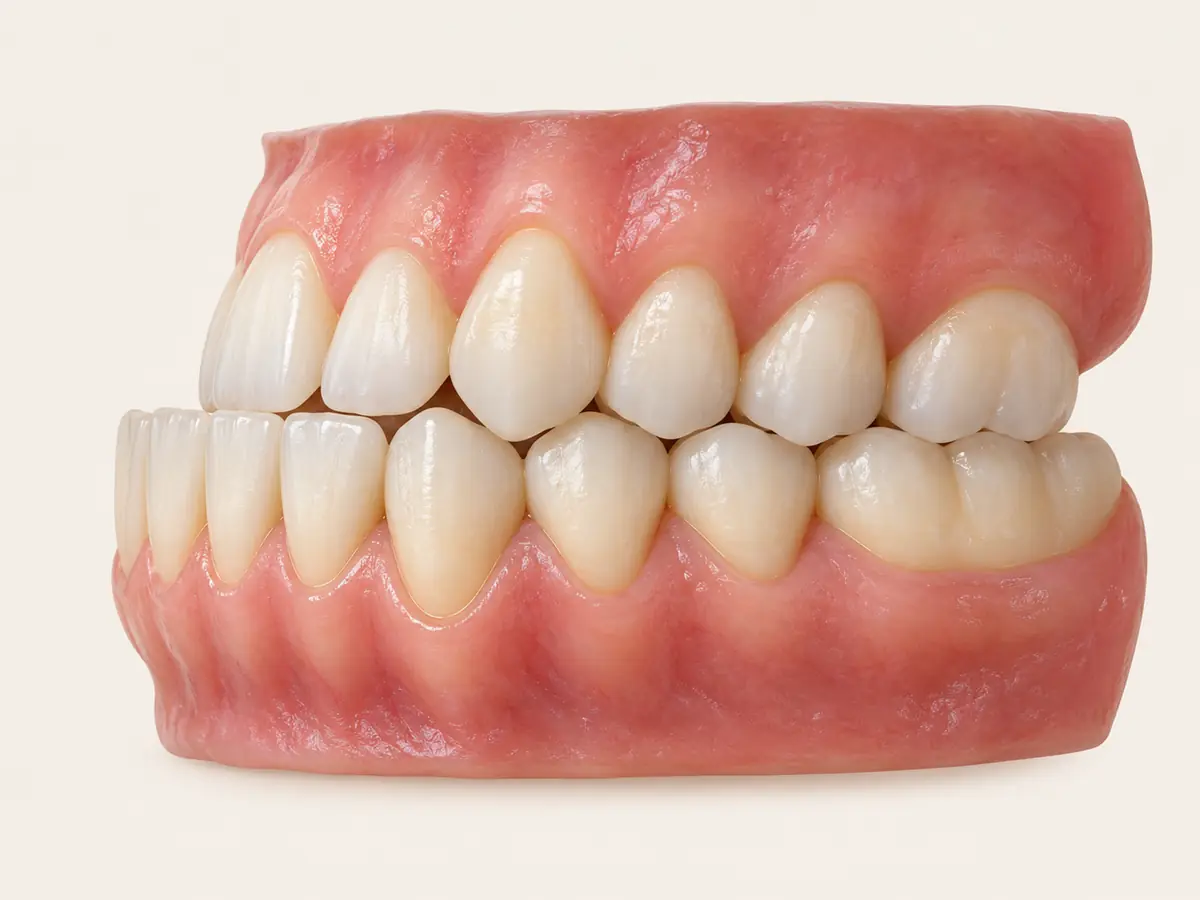
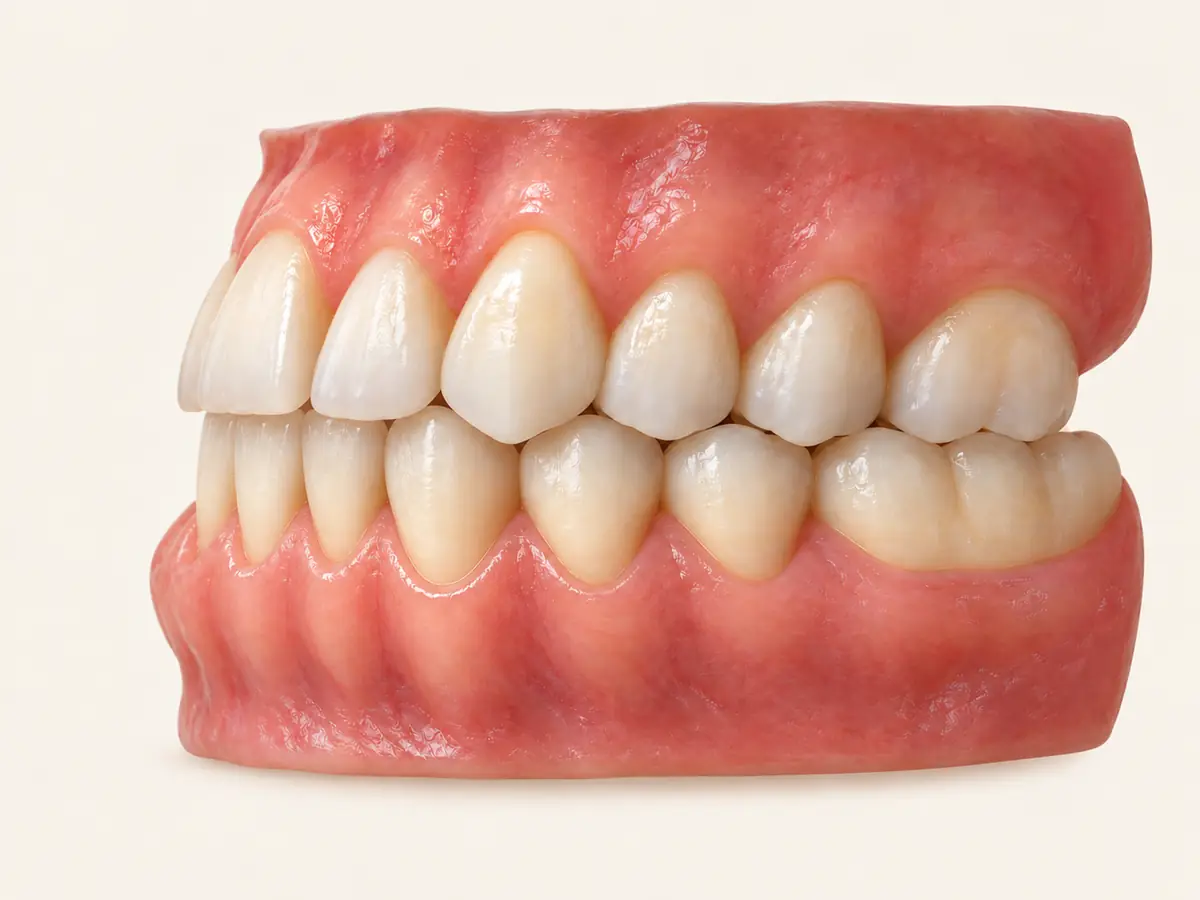
3. Protruding upper front teeth (overjet)
This happens when the upper front teeth extend too far forward compared with the lower front teeth.
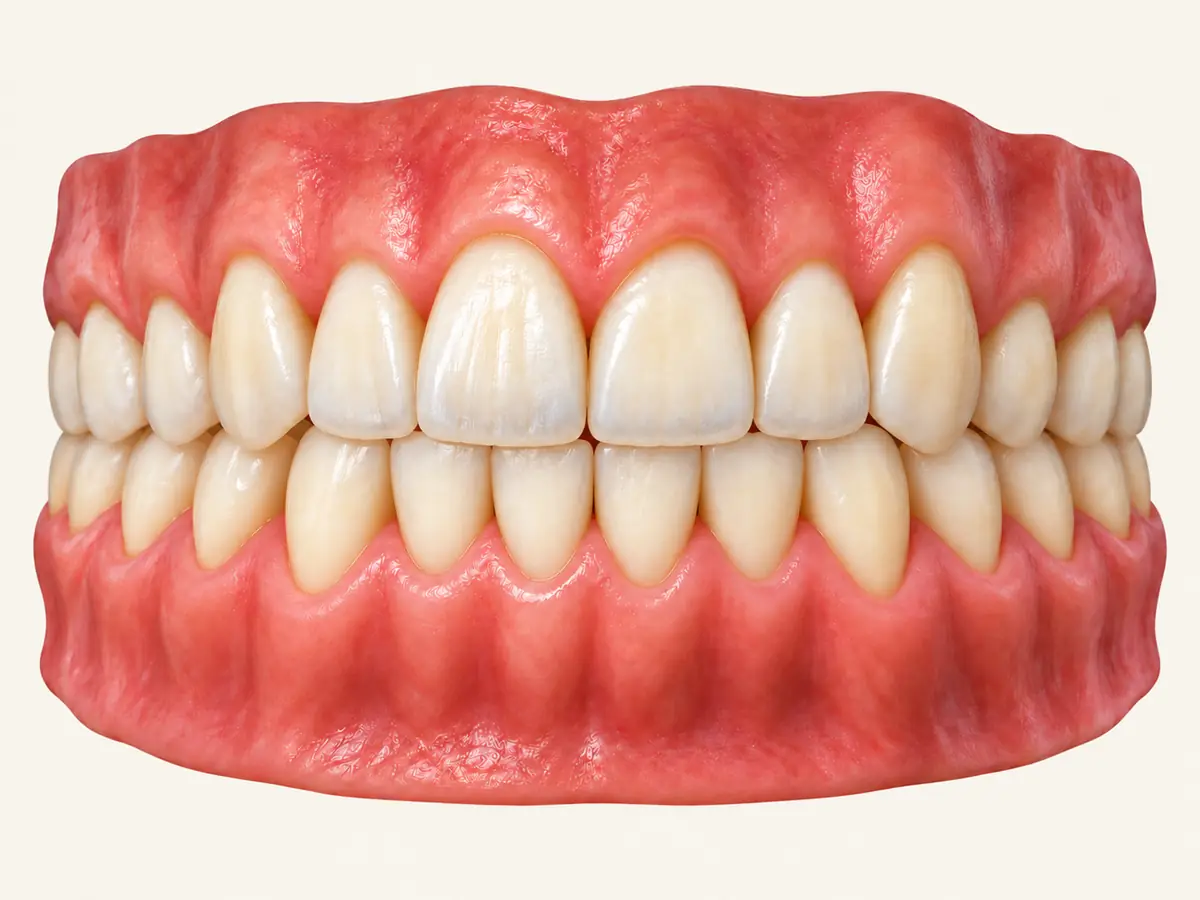
4. Deep bite (excessive overbite)
A deep bite occurs when the upper front teeth cover too much of the lower front teeth when you bite together.
5. Underbite
An underbite is when the lower front teeth sit in front of the upper front teeth when biting.
6. Open bite
An open bite occurs when some of the upper and lower teeth do not meet when the jaws are closed. For example, the front teeth may remain apart even when the back teeth are touching.
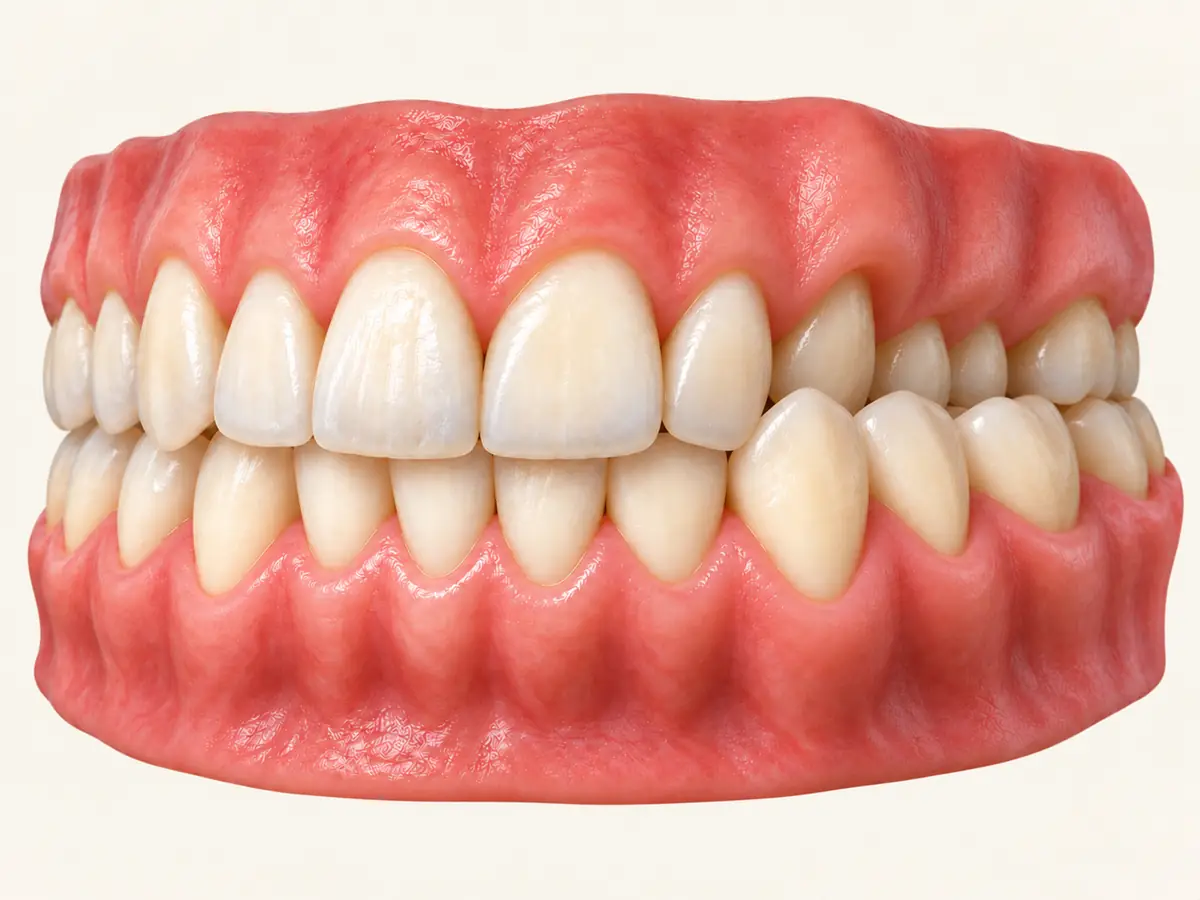
7. Crossbite
A crossbite occurs when one or more upper teeth bite inside the lower teeth instead of fitting outside them in the usual way.
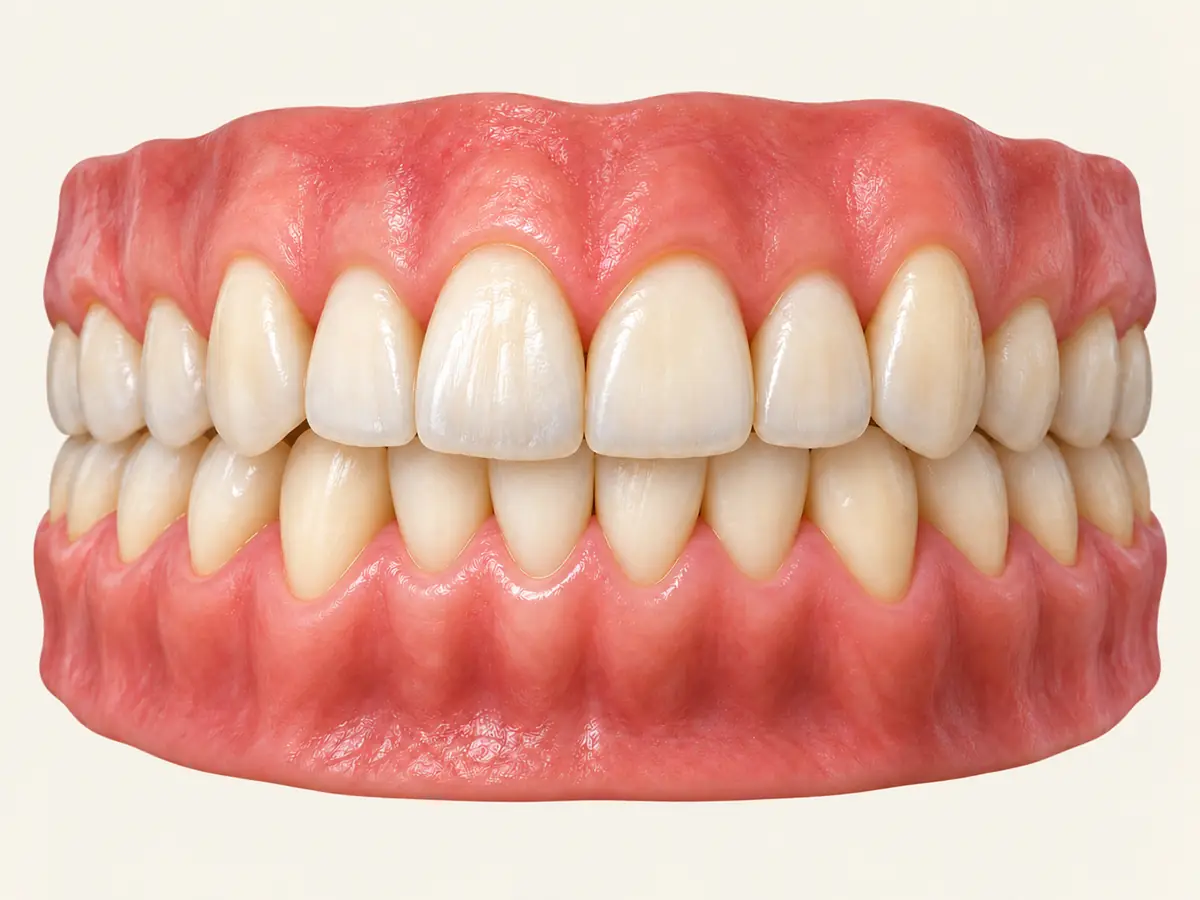
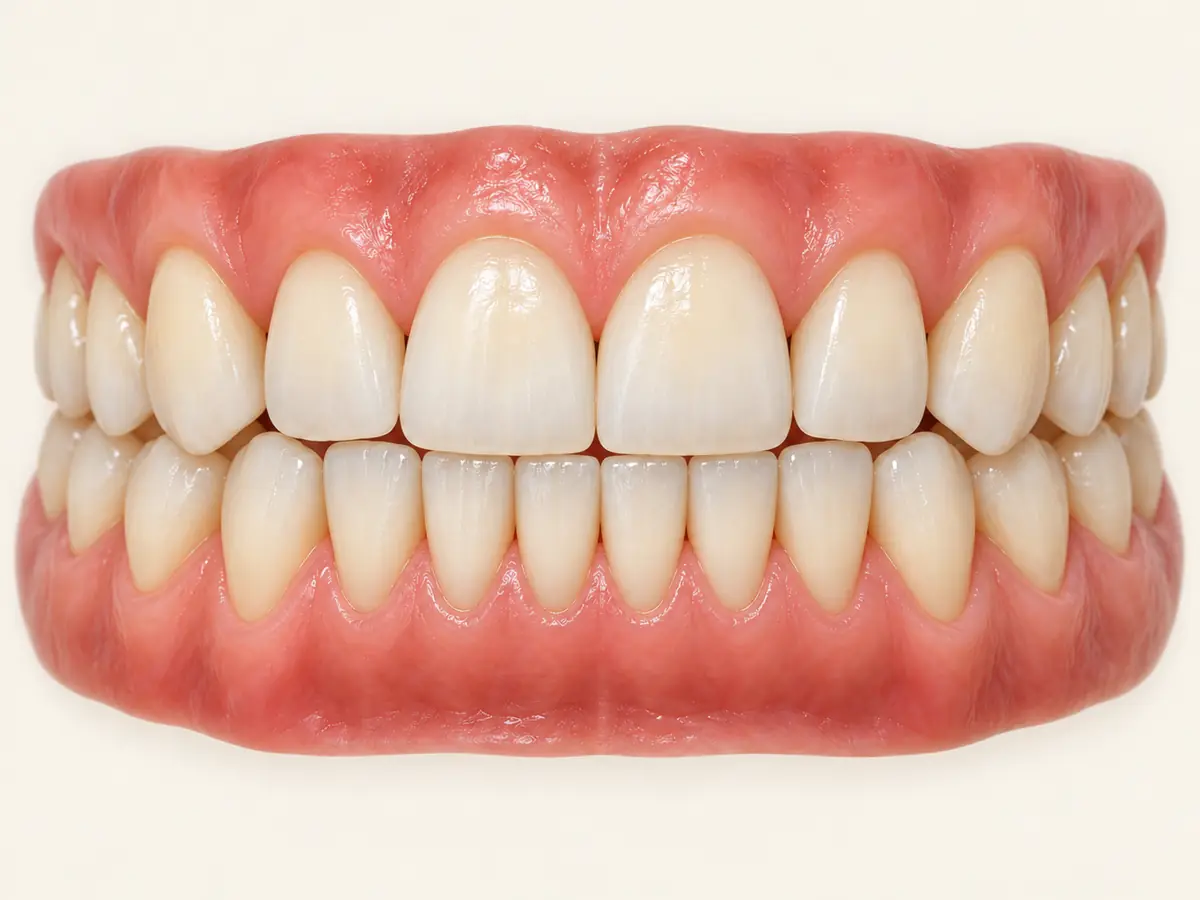
Explore tooth problems
Choose a problem and drag the slider to see an illustration.
Illustration only, not a predicted result.
Does Every Dental Problem Need Braces?
Not necessarily.
For example, a small gap or chipped tooth may sometimes be managed with cosmetic bonding or veneers, depending on the condition of the teeth and your treatment goals.
More complex problems involving the position or development of the jaws may require assessment by an orthodontic specialist. Some may need treatment beyond braces alone.
An examination helps your dentist understand what is causing the problem and which treatment options may be appropriate.
Guide
Types of Braces at Dental Suite: Conventional vs Damon Self-Ligating
Dental Suite offers two types of fixed braces: conventional metal braces and Damon self-ligating braces.
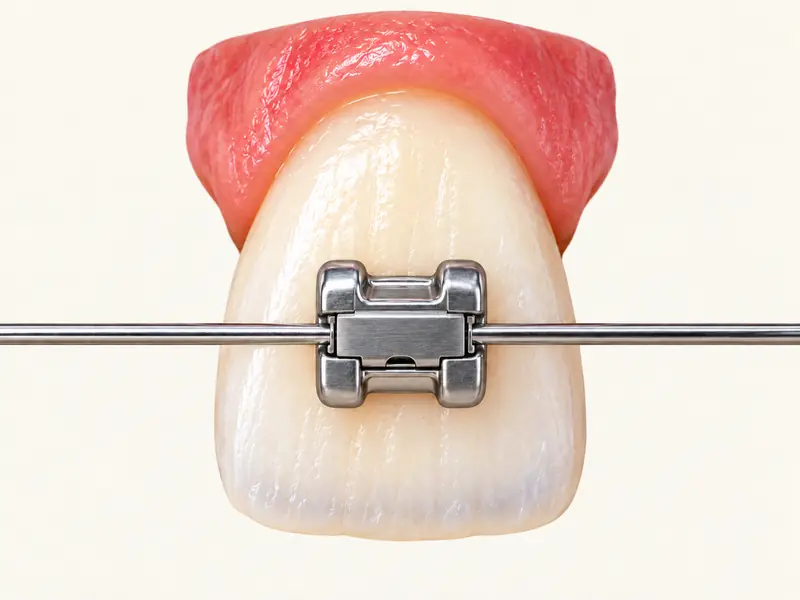
Both use brackets and wires to move teeth. The main difference is how the wire is held in place.
Neither option is automatically the best choice for everyone. Your dentist will consider your tooth alignment, bite, oral health and treatment needs before discussing the available options.
1. Conventional Metal Braces
Conventional metal braces are among the most widely used orthodontic appliances.
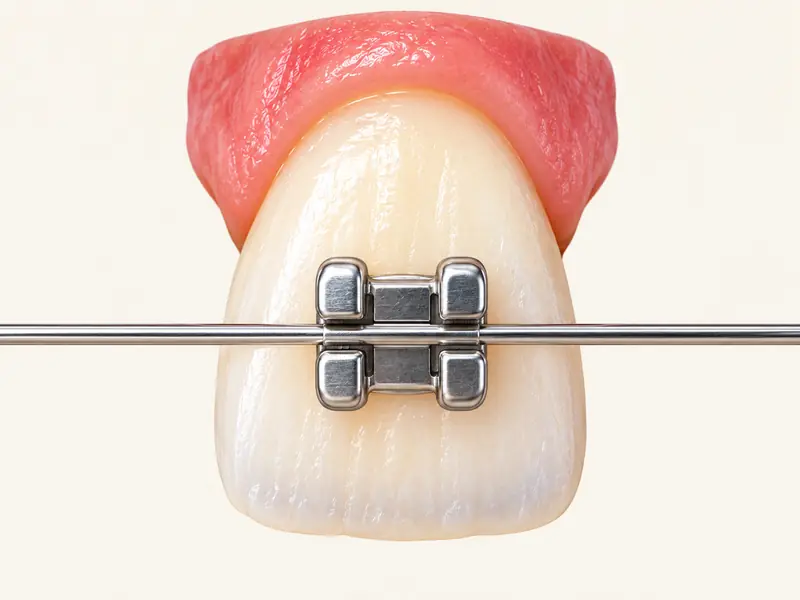
They consist of metal brackets attached to your teeth and connected by an orthodontic wire. Small elastic ties are commonly used to hold the wire in place.
These elastic ties are usually changed during adjustment appointments.
What to know:
Uses metal brackets, wires and small elastic ties.
Elastic ties are available in different colours.
Some elastic ties may become stained by certain foods and drinks.
Requires regular reviews and adjustments throughout treatment.
Dental Suite conventional braces package: RM4,500
Monthly payment: RM150 for 30 months
Deposit: ZERO
Your first RM150 payment is made during your first visit and counts as your first month's payment.
2. Damon Self-Ligating Braces
Damon is a brand of self-ligating braces.
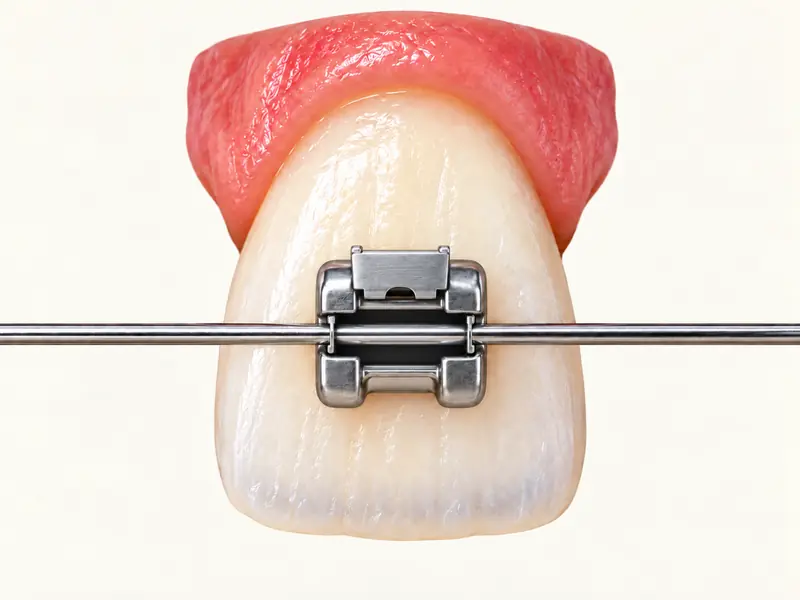
Unlike conventional braces, Damon brackets have a built-in mechanism that holds the orthodontic wire in place without requiring elastic ties for that purpose.
This changes how the wire is secured to the bracket, but the basic principle of tooth movement remains the same.
What to know:
Uses brackets with built-in clips.
Does not require elastic ties to hold the wire in the brackets.
Still requires careful cleaning and regular dental appointments.
May be considered for certain treatment plans, depending on your dental needs.
Price: From RM7,999
The final fee depends on your treatment needs and will be confirmed after your dental assessment.
Conventional vs Damon Self-Ligating Braces
Feature
Conventional
Damon Self-Ligating
Wire attachment
Small elastic ties
Built-in clips
Elastic colours
Various colours
No ties needed for wire
Staining
Some ties may stain
No securing ties to stain
Treatment duration
Depends on your case
Depends on your case
Discomfort
Soreness may occur
Soreness may occur
Appointments
Regular reviews
Regular reviews
Price
RM4,500 · RM150/month · zero deposit
From RM7,999
Research has not consistently shown that self-ligating braces shorten treatment time or cause less discomfort than conventional braces. Your dentist will recommend suitable options based on your individual needs.
See how braces hold the wire
Conventional
Elastic ties hold the wire. Choose a colour:
Damon self-ligating
A built-in clip holds the wire.
Illustration only, not a predicted result.
Are Damon Braces Better Than Conventional Braces?
Not necessarily.
Although the bracket systems are different, self-ligating braces have not consistently been shown to produce faster treatment or less discomfort than conventional braces.
The most suitable option depends on your individual circumstances, not simply the type of bracket used.
Your dentist can explain the practical differences and help you understand which options may be appropriate for your teeth.
What If My Case Requires an Orthodontic Specialist?
Some patients have more complex alignment, bite or jaw-related problems that require specialist assessment.
At Dental Suite, cases requiring specialist involvement may be assessed and planned with our consultant orthodontist.
The dentist will explain if a referral or specialist assessment is recommended.
For these cases, the treatment plan and fees are provided after assessment. The standard RM4,500 conventional braces package does not apply.
Other Types of Braces and Teeth Straightening Options
Besides conventional metal and Damon self-ligating braces, you may have heard of other ways to straighten teeth.
Here are three common options you might come across.
Ceramic braces
Ceramic braces work in a similar way to conventional metal braces, but use tooth-coloured or clear brackets. This makes them less noticeable when you smile. However, the brackets still need proper cleaning, and the treatment may not be suitable for everyone.
Clear aligners
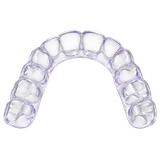
Clear aligners are a series of custom-made, transparent trays that fit over your teeth. Unlike fixed braces, they can be removed when eating or cleaning your teeth.
They generally need to be worn for around 20–22 hours a day, with each set changed according to your dentist's instructions, often every one to two weeks.
Not every orthodontic problem can be treated with clear aligners, so an assessment is needed to determine suitability.
Lingual braces
Lingual braces use brackets and wires attached to the back surfaces of your teeth rather than the front.
Because they sit behind the teeth, they are less noticeable when you smile or speak. However, they are not suitable for every case and may require a clinician with additional experience in this technique.
Are these options available at Dental Suite?
Dental Suite currently offers conventional metal braces, Damon self-ligating braces and clear aligners (from RM8,000, depending on your case).
Ceramic braces and lingual braces are not currently offered at our clinics.
If you're unsure which type of orthodontic treatment may suit you, your dentist can discuss the available options during an examination.
Conventional Braces PackageRM150/Month. Zero Deposit.
RM4,500 over 30 months. Your first RM150 payment counts as Month 1. See what's included, what's charged separately and how the treatment process works.
The price of braces is often one of the first things people want to know.
What Should You Compare When Looking at Braces Prices?
When comparing braces prices, don't look at the starting price alone. Check the total treatment cost, what's included in the package, the monthly payment terms and any additional fees.
At Dental Suite, the conventional braces package costs RM4,500, payable at RM150 per month for 30 months, with zero deposit. The RM150 paid at your first visit counts as Month 1.
Tooth extractions, if needed, and retainers are charged separately.
Conventional Braces Package — RM4,500
Dental Suite's standard conventional braces package is priced at RM4,500, payable over 30 months.
Total package priceRM4,500
Monthly paymentRM150 × 30 months
DepositZERO
There is no separate deposit to pay.
The RM150 paid during your first visit is already your first monthly payment. It is not an additional charge on top of the RM4,500 package.
If you've never worn braces before, you might be wondering what actually happens during treatment.
Although every patient has different needs, the process generally follows these five stages.
Step 1: Your First Consultation
First payment: RM150 — counted as Month 1
Your first appointment is about understanding your teeth and what treatment may involve.
The visit includes a consultation, OPG X-ray, scaling and polishing, and dental impressions as part of the standard package.
Your dentist will examine your tooth alignment, bite and oral health.
You'll also have an opportunity to ask questions about the types of braces available, the expected treatment process and any additional costs that may apply.
Step 2: Planning Your Treatment
After reviewing your examination findings, your dentist will prepare a treatment plan based on your dental needs.
This may involve:
Identifying which teeth need to move.
Assessing how your upper and lower teeth fit together.
Determining whether any extractions are required.
Considering whether specialist input is necessary.
Explaining the proposed treatment and anticipated duration.
Your dentist will discuss the plan with you before treatment proceeds.
Step 3: Getting Your Braces Fitted
Once the treatment plan is ready and you have agreed to proceed, your braces will be fitted at a subsequent appointment.
Small brackets are attached to your teeth, and the orthodontic wire is placed through them.
Your dentist will explain how to care for your braces, clean around the brackets and manage any initial discomfort.
Step 4: Regular Reviews and Adjustments
After your braces are fitted, you will return for regular appointments, generally around once a month according to your prescribed schedule.
During these visits, your dentist will:
Check how your teeth are moving.
Adjust or replace orthodontic components when necessary.
Monitor the health of your teeth and gums.
Advise you on oral hygiene and any concerns.
Attending your scheduled appointments allows the dentist to monitor your progress and make any necessary changes to your treatment.
Step 5: Removing Your Braces and Wearing Retainers
When your planned treatment goals have been achieved, your braces can be removed.
But your orthodontic care doesn't end there.
Teeth can shift after braces are removed. Wearing retainers as instructed helps maintain their new positions.
Your dentist will explain which type of retainer is suitable and how it should be worn.
Retainers are charged separately from the braces package.
The length of treatment varies from person to person. Your dentist will provide an estimate after examining your teeth.
This is probably one of the most common concerns among people considering braces.
The fitting process itself is usually not painful. However, your mouth may feel unusual at first, and your teeth can become tender or sensitive after the braces are fitted.
You may also experience some soreness after adjustment appointments as your teeth respond to the forces applied.
For many patients, this discomfort gradually settles within a few days.
How Can You Make the First Few Days More Comfortable?
A few simple steps may help:
Choose softer foods. Porridge, soup, soft rice, eggs and other easy-to-chew foods may be more comfortable.
Avoid biting into hard foods. Cutting food into smaller pieces can help reduce discomfort.
Use orthodontic wax if advised. This can help protect your cheeks or lips from brackets that cause irritation.
Ask about pain relief. Your dentist can advise whether medication is appropriate for you.
What to eat in the first few days
✓ Easier to eat
🥣Porridge
🍲Soup
🍚Soft rice
🥚Eggs
✕ Avoid
🥜Hard nuts
🧊Chewing ice
🍬Sticky sweets
🍎Biting into whole apples
Avoid hard, sticky foods and chewing ice throughout braces treatment, not just during the first few days.
Everyone experiences discomfort differently.
If you have severe pain, worsening swelling or discomfort that does not improve, contact your dental clinic for advice rather than waiting for your next scheduled appointment.
Guide
How to Take Care of Your Teeth While Wearing Braces
Braces can make cleaning your teeth a little more challenging.
Food particles and plaque can collect around the brackets and wires. If these areas aren't cleaned properly, the risk of tooth decay, gum inflammation and white marks on the teeth can increase.
The good news is that a consistent cleaning routine can make a meaningful difference.
Your braces cleaning kit
Soft toothbrush
Fluoride toothpaste
Interdental brush
Floss threader
Orthodontic wax
1. Brush Your Teeth Thoroughly
Brush at least twice daily with fluoride toothpaste, and clean your teeth after meals whenever possible.
Pay particular attention to the areas around each bracket and along the gumline.
2. Clean Between Your Teeth
A regular toothbrush may not reach every area around your braces.
Interdental brushes, floss threaders or other cleaning aids recommended by your dentist can help remove plaque and trapped food.
3. Be Careful With Hard and Sticky Foods
Hard, crunchy or sticky foods can damage brackets and wires.
Avoid biting directly into hard foods, and cut food into smaller pieces when needed.
4. Limit Sugary Foods and Drinks
Frequent sugar consumption increases the risk of tooth decay, especially when plaque is allowed to accumulate around the braces.
Try to limit sugary snacks and drinks, and maintain a consistent cleaning routine.
5. Keep Your Dental Appointments
Regular orthodontic reviews help your dentist monitor tooth movement and check your braces.
Routine dental examinations and professional cleaning are also important when recommended.
6. Contact the Clinic if Something Breaks
If a bracket becomes loose or a wire starts poking your cheek or gum, contact the clinic.
Avoid trying to remove or adjust orthodontic components yourself.
Taking care of your teeth during braces treatment is just as important as the movement of the teeth themselves.
FAQ
Frequently Asked Questions About Braces
How long does braces treatment take?
Treatment time varies depending on how much your teeth need to move, the complexity of your bite and your individual response to treatment.
Some people require a shorter course of treatment, while more complex cases can take longer.
Your dentist will provide an estimated timeline after examining your teeth and preparing your treatment plan.
Do braces hurt when they are first fitted?
Having braces fitted is usually not painful, although your mouth may feel uncomfortable afterwards.
It is common to experience tenderness or soreness for a few days after fitting and following adjustments.
If the pain is severe or does not improve, contact your dentist for advice.
Am I too old to get braces?
There is no single upper age limit for orthodontic treatment.
Teenagers and adults can both be suitable candidates for braces, provided their teeth and gums are healthy enough for treatment.
For younger patients, the dentist will also consider dental development and the most appropriate time to begin treatment.
If you are arranging an appointment for someone under 18, check with the clinic about parent or guardian attendance and consent requirements.
What is the difference between conventional and self-ligating braces?
Conventional braces typically use small elastic ties to hold the orthodontic wire in the brackets.
Damon self-ligating braces use a built-in clip mechanism instead.
Both systems can move teeth, but their suitability depends on the patient's individual treatment needs.
Self-ligating braces do not automatically mean faster results or less discomfort.
Can I pay for braces monthly?
Yes.
Dental Suite's standard conventional braces package costs RM4,500, with payments of RM150 per month for 30 months and zero deposit.
Your first RM150 payment is made at your first visit and counts as Month 1.
Any required extractions and retainers are charged separately.
Will I need tooth extractions before getting braces?
Not necessarily.
Some patients need extractions to create sufficient space or help achieve an appropriate bite. Others can be treated without removing teeth.
Your dentist will assess your tooth alignment, available space and treatment needs before recommending whether extraction is necessary.
If extractions are required, the fees are separate from the conventional braces package.
Do I need to wear retainers after braces?
Yes. Retainers are an important part of maintaining the results of orthodontic treatment.
Teeth can gradually shift after braces are removed, so wearing your retainer as directed helps keep them in their new positions.
Your dentist will recommend the type of retainer and a suitable wearing schedule.
Retainers are charged separately.
When would I need to see an orthodontic specialist?
Some conditions, particularly complex bite problems or issues involving jaw position, require specialist orthodontic assessment.
If your case needs specialist care, your dentist will discuss the referral or treatment arrangements with you.
These cases receive an individual treatment plan and quotation following specialist assessment. The standard RM4,500 package does not apply.
Guide
Considering Braces? Start With an Examination
Every smile is different, and the treatment that works for one person may not be suitable for another.
An examination helps your dentist understand your teeth, explain the available treatment options and discuss what you can realistically expect.
If you're considering braces, you don't need to decide between conventional and Damon self-ligating braces before your first appointment.
You can begin by asking questions and understanding what treatment may involve.
Dental Suite has five clinics across Kuala Lumpur and Selangor.
Find a Dental Suite Clinic
Contact our team to find out which clinic can arrange a braces assessment. Your dentist will determine treatment suitability following an examination.
Inside our clinics
Dental Suite USJDental Suite SetiawangsaDental Suite Shah AlamDental Suite SetapakDental Suite Bangi