Veneers can change the appearance of teeth, but they are not suitable for everyone. Before deciding, it's important to understand how they work, whether your natural teeth need to be prepared and what ongoing care may be required.
At Dental Suite, we offer three types of veneers: composite, E-max and zirconia.
This guide explains what each type does, how much veneers cost, what happens during treatment and what you should consider before making a decision.
Guide
What Are Dental Veneers?
Dental veneers are thin layers of tooth-coloured material bonded to the front surfaces of teeth.
They are mainly used to improve the appearance of teeth by changing how they look in terms of shape, size, colour or symmetry.
For example, a veneer may help make a chipped tooth look more even or close a small gap between two front teeth.
However, veneers do not physically straighten crooked teeth or correct the underlying position of your bite.
Your dentist will examine your teeth before recommending whether veneers are appropriate or whether another treatment might be more suitable.
Guide
What Dental Problems Can Veneers Help With?
Veneers may be considered for several concerns involving the appearance of front teeth.
1. Small Gaps Between Teeth
If you have a small gap between your front teeth, veneers may be able to close the visible space by changing the shape or width of the teeth.
For larger gaps, braces or other treatment may be more appropriate.
2. Chipped or Worn Teeth
A tooth with a small chip or worn edge can sometimes be restored using a veneer.
The dentist will first assess how much healthy tooth structure remains and whether a veneer is the right restoration.
3. Uneven Tooth Shape or Size
Some teeth may naturally appear shorter, narrower or differently shaped than neighbouring teeth.
Veneers can sometimes help improve the appearance of these differences.
4. Tooth Discolouration
Teeth that remain discoloured despite whitening may sometimes be covered with veneers.
However, the cause of the discolouration needs to be assessed first.
5. Minor Alignment Irregularities
Veneers can occasionally make mildly uneven front teeth appear straighter.
But this is a cosmetic change. The teeth themselves do not move.
If your teeth are crowded or your bite needs correction, orthodontic treatment may be a more appropriate option.
Important: Veneers do not treat tooth decay, gum disease or bite problems. These conditions may need to be addressed before cosmetic treatment.
Guide
When Might Another Treatment Be More Suitable?
Veneers are not always the first treatment to consider.
Sometimes a different dental procedure can address your concern while preserving more of your natural tooth structure.
For example:
Yellow or stained teeth:Teeth whitening may be worth considering before veneers.
A small chip or gap: Composite bonding may be sufficient without covering a larger part of the tooth.
Crooked or crowded teeth:Braces can move teeth into different positions rather than simply changing how they appear.
A heavily damaged tooth: A dental crown may be more appropriate if the tooth needs greater structural protection.
Your dentist will explain the benefits, limitations and possible alternatives after examining your teeth.
Guide
Composite, E-max and Zirconia Veneers: What's the Difference?
Dental Suite offers three types of veneers. They differ in their materials, how they are made and how they may be used.
1. Composite Veneers
Composite veneers use a tooth-coloured resin material that is applied, shaped and bonded directly onto your teeth by the dentist.
This allows the dentist to adjust the shape, size and appearance of the tooth using the composite material.
What to know:
Made directly in the dental clinic.
May require little or no enamel removal in suitable cases.
Can often be repaired or polished if chipped or stained.
May become discoloured or lose its surface shine over time.
Requires regular care and may eventually need repair or replacement.
The amount of tooth preparation depends on your dental condition and the intended result.
2. E-max Veneers
E-max veneers are laboratory-made ceramic restorations.
The material commonly used is lithium-disilicate glass-ceramic, which can have a translucent appearance similar to natural tooth enamel.
What to know:
Custom-made in a dental laboratory.
Can provide a natural-looking appearance when appropriately designed.
Generally more resistant to surface staining than composite resin.
May require removal of some natural enamel.
Cannot always be repaired as simply as composite veneers.
Your dentist will assess the thickness, shade and preparation needed for your teeth.
3. Zirconia Veneers
Zirconia is another type of dental ceramic used for selected restorations.
It is known for its mechanical strength, while its appearance and translucency depend on the formulation and shade selected.
What to know:
Custom-made in a dental laboratory.
Uses a strong ceramic material.
Different zirconia formulations have different optical properties.
May be considered in certain situations where tooth colour or other clinical factors need special attention.
Requires an assessment of tooth preparation, bonding and bite forces.
Zirconia is not automatically more suitable than E-max for every patient.
Which Veneer Material Should You Choose?
The appropriate material depends on several factors:
Your natural tooth colour.
The condition of your enamel.
How much change is needed.
The position of your teeth.
The way your teeth meet when biting.
Your oral habits and treatment preferences.
Your dentist will explain which materials may be suitable after examining your teeth.
Composite vs E-max vs Zirconia Veneers
Feature
Composite
E-max
Zirconia
How it's made
Shaped directly on teeth
Made in a dental lab
Made in a dental lab
Tooth preparation
May need little or none
Depends on the case
Depends on the case
Appearance
Tooth-coloured resin
Translucent ceramic
Ceramic with varying translucency
Staining
Can stain over time
Generally stain-resistant
Generally stain-resistant
If damaged
Often repairable
May need replacement
May need replacement
Visits
Usually 1
Usually 2
Usually 2
Lab time
Not applicable
About 1–2 weeks
About 1–2 weeks
Tooth preparation and material suitability depend on your dental condition. Your dentist will explain the recommended option after examination.
Guide
Are Veneers Reversible? Will My Teeth Need to Be Shaved?
This is an important question to ask before agreeing to veneers.
The amount of preparation needed varies according to the material, the condition of your teeth and the result being planned.
Composite Veneers
Some composite veneers can be placed with very little or no removal of natural enamel.
However, this does not mean the treatment is always completely reversible.
Removing bonded composite material later may still require careful dental procedures, and changes to the tooth surface are possible.
E-max and Zirconia Veneers
Laboratory-made ceramic veneers often require some preparation of the tooth surface to create space for the restoration.
If enamel is removed, it cannot grow back.
This means the tooth may continue to require a veneer or another appropriate restoration in the future.
What Should You Ask Before Treatment?
Before agreeing to have veneers fitted, ask your dentist:
How much natural tooth structure will need to be removed?
Could my concern be treated without a veneer?
What happens if the veneer chips, loosens or needs replacing?
Will I need ongoing maintenance?
The aim is to understand both the immediate treatment and its long-term implications.
Guide
Natural-Looking Veneers and Fake Veneers: What Should You Know?
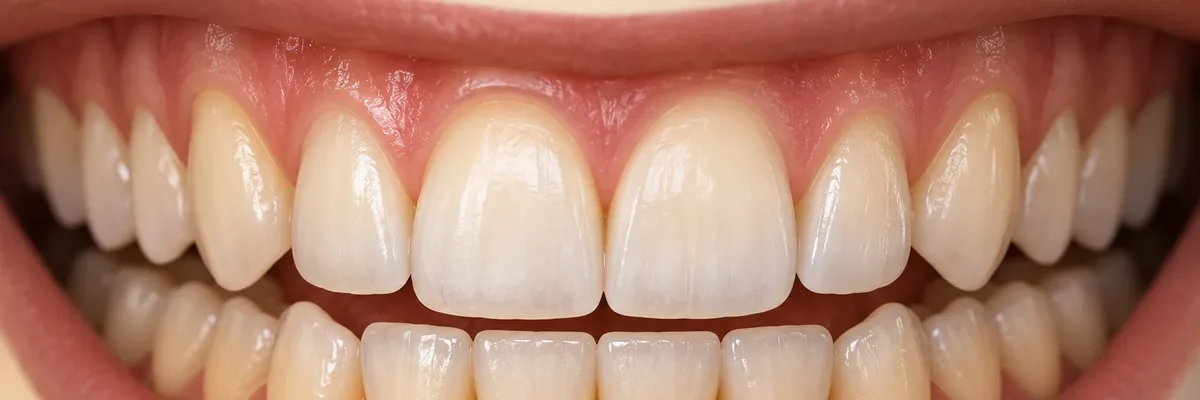
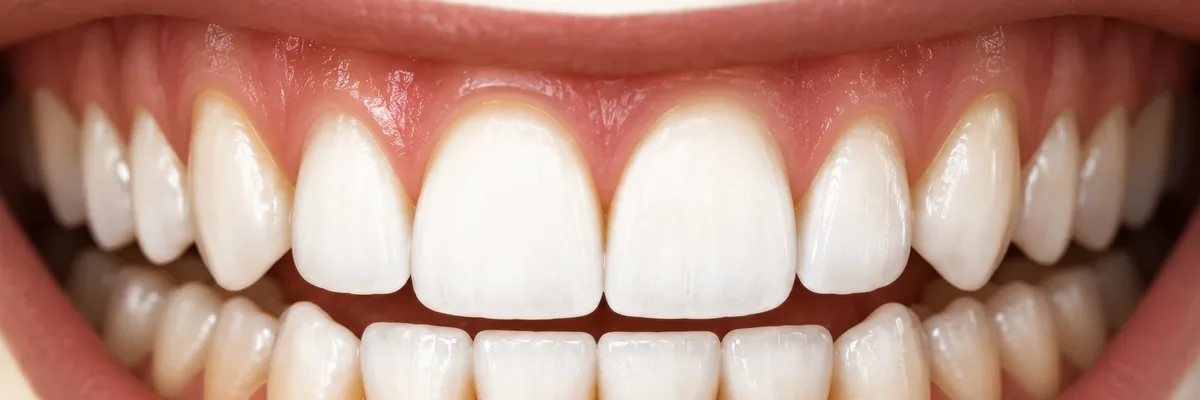
Veneers can be made in different shapes and shades.
Some patients prefer a shade close to their natural teeth. Others may prefer a brighter appearance.
There is no single shade that suits everyone.
Your dentist should consider your existing teeth, facial features and preferences when discussing the final appearance.
Explore Different Veneer Shades
Drag to explore how different shades may look.
Illustration only. This is not a patient result or a prediction of treatment. The appropriate veneer shade depends on your natural teeth and preferences.
What About Fake Veneers?
You may have come across the term fake veneers, particularly on social media.
This often refers to veneers or veneer-like coverings supplied or fitted outside appropriately regulated dental care.
Problems can occur when restorations are poorly designed or fitted, including:
Food and plaque becoming trapped around the edges.
Inflamed or bleeding gums.
Difficulty cleaning around the restoration.
Tooth decay developing around or beneath poorly maintained restorations.
Persistent bad breath associated with plaque and gum problems.
A veneer is a dental restoration, not simply a decorative covering.
Clinical assessment, treatment planning and fitting should be carried out by an appropriately registered dental practitioner.
If you already have veneers that are uncomfortable, loose or difficult to clean, arrange a dental examination.
Dental Suite can examine veneers fitted elsewhere, including veneers fitted outside a dental clinic, and discuss whether they need to be replaced. Any replacement is planned after the veneers and the teeth underneath have been examined.
Guide
Are Veneers Suitable for Everyone?
Not necessarily.
Your dentist may recommend treating other dental problems first or considering a different option if:
You have untreated tooth decay.
You have gum disease or bleeding gums.
You regularly grind or clench your teeth.
Your teeth are significantly crowded or your bite is not stable.
There is insufficient healthy tooth structure for the planned restoration.
You would prefer a treatment that does not involve removing enamel.
If you are considering whitening your other teeth, your dentist may also discuss the timing before selecting the final veneer shade.
Could Veneers Be Suitable for You?
Answer six short questions to see what your dentist may need to check before recommending veneers.
Do you have toothache, bleeding gums or untreated tooth decay?
These problems may need treatment before veneers.
Do you grind or clench your teeth?
These habits can increase the risk of veneer damage. Your dentist may discuss protection or other treatment options.
Are your teeth crowded, or does your bite feel uneven?
Your dentist may discuss braces or other treatment before considering veneers.
Are your teeth mainly yellow or stained but otherwise healthy?
Whitening may be worth considering. Your dentist can advise whether veneers are necessary.
Do you already have veneers, including veneers fitted outside a dental clinic?
Your dentist will need to assess the veneers and the teeth underneath.
Are you under 18?
Elective veneers are generally approached cautiously in younger patients. Your dentist will assess dental development and treatment needs.
Your answers have not identified the concerns covered in this quick check. However, other factors may affect suitability. A dental examination is still required.
This is a general guide, not a diagnosis or confirmation of treatment suitability.
Guide
What Happens During Veneer Treatment at Dental Suite?
At Dental Suite, composite veneers are usually completed in one visit, while E-max and zirconia veneers usually need two visits. The details depend on the type of veneer and your clinical needs.
Composite Veneers
Composite veneers are shaped directly on your teeth in the clinic.
The treatment involves examining and planning the desired changes, followed by preparing the tooth surface as needed and applying, shaping and polishing the composite resin.
Dental Suite usually completes composite veneers in one visit.
E-max and Zirconia Veneers
These veneers are custom-made in a dental laboratory.
The process generally involves the following stages.
1
Visit 1: Examination, Planning and Preparation
Your dentist examines your teeth, gums and bite.
If treatment is suitable, the dentist discusses the proposed shape, shade and number of veneers.
The teeth are prepared as required, and impressions or digital scans are taken for the laboratory.
Temporary veneers are fitted during the preparation visit.
2
Laboratory Stage: Approximately 1–2 Weeks
The dental laboratory makes your E-max or zirconia veneers based on the records and treatment plan.
3
Visit 2: Veneer Fitting
The dentist checks the veneers' fit, shape, shade and bite.
Once the restorations are clinically acceptable, they are bonded to your teeth using the appropriate dental procedure.
The dentist will also explain how to care for them.
Please note: Additional appointments may be necessary if dental problems need treatment first or the restorations require further adjustments.
The total cost depends on the veneer material and the number of teeth being treated.
Veneer Type
Price per Tooth
Composite
RM400–RM600
Zirconia
RM1,400–RM1,800
E-max
RM1,800–RM2,200
How Many Veneers Will I Need?
There is no fixed number.
Some patients may only need one veneer to restore a chipped tooth or improve the appearance of a single tooth.
Others may discuss treatment involving several front teeth, depending on their dental condition and appearance goals.
Having more veneers does not automatically produce a more suitable result.
Your dentist will help determine whether veneers are appropriate and how many teeth may need treatment.
Estimated Veneer Prices by Number of Teeth
Teeth
Composite
Zirconia
E-max
2
RM800–RM1,200
RM2,800–RM3,600
RM3,600–RM4,400
4
RM1,600–RM2,400
RM5,600–RM7,200
RM7,200–RM8,800
6
RM2,400–RM3,600
RM8,400–RM10,800
RM10,800–RM13,200
8
RM3,200–RM4,800
RM11,200–RM14,400
RM14,400–RM17,600
These are examples calculated from the per-tooth prices, not recommendations about how many veneers to have.
The dentist will confirm your final quotation following examination and treatment planning.
Other procedures, such as fillings, gum treatment or whitening, may be charged separately if required.
Estimate Your Veneer Cost
Veneer type
Estimated cost:RM400–RM600
Estimate only. Final fees and suitability are confirmed after examination.
This calculator estimates costs based on the number of teeth selected. It does not mean that veneers are recommended for those teeth. Additional dental treatments, if needed, may be charged separately.
Payment Options
Dental Suite offers payment arrangements through Atome, Grab PayLater, SPayLater and credit card instalment plans.
Eligibility, availability and payment terms depend on the provider and selected plan.
Contact our team for information about the payment arrangements available for your proposed treatment.
Guide
How Long Do Veneers Last?
Veneers do not last forever.
Their lifespan depends on factors such as the material, the condition of the supporting tooth, your bite and how well the restoration is maintained.
Composite veneers may require polishing, repair or replacement over time.
Ceramic veneers such as E-max and zirconia can remain functional for many years in suitable cases, but they may also chip, loosen or require replacement.
There is no single lifespan that can be promised to every patient.
Will Veneers Become Stained?
Composite veneers can gradually collect surface stains, particularly with frequent exposure to strongly coloured foods and drinks such as coffee, tea and teh tarik.
Ceramic veneers are generally more resistant to surface staining.
However, natural teeth and the edges around restorations still require regular cleaning.
What If I Grind My Teeth?
Grinding or clenching can place additional force on veneers.
This may increase the risk of chipping, loosening or other damage.
If you grind your teeth, tell your dentist before treatment. A protective night guard may be considered when appropriate.
Dental Suite provides night guards at RM600 when your dentist recommends one.
How Should You Care for Your Veneers?
Brush your teeth twice daily using fluoride toothpaste.
Clean between your teeth every day.
Avoid biting hard objects such as ice, pens or bones.
Attend regular dental examinations.
Contact the clinic if a veneer becomes uncomfortable, damaged or loose.
Can Veneers Be Repaired or Removed?
Some veneers can be repaired or polished. Others may need replacement, depending on the material and extent of damage.
Dental Suite's stated charges for veneer removal or repair range from RM100 to RM500, depending on the work required.
Your dentist will examine the veneer before confirming whether repair, removal or replacement is appropriate and the applicable cost.
Guide
Can You Get Dental Veneers at a Government Clinic?
Government dental clinics in Malaysia provide services such as dental examinations, fillings, scaling, extractions and emergency care.
Elective cosmetic veneers are not listed among the routine dental services described on the Malaysian government's public dental-services page.
However, treatment availability can differ between facilities and clinical circumstances.
If you are seeking treatment for a damaged or discoloured tooth, you can contact a government dental clinic to ask what services are available.
FAQ
Frequently Asked Questions About Veneers
Does Getting Veneers Hurt?
The experience depends on the treatment and how much tooth preparation is required.
Local anaesthetic may be used when teeth are prepared for ceramic veneers.
Some patients may experience temporary sensitivity afterwards.
Your dentist will explain what to expect for your treatment.
Are Veneers Permanent?
Veneers are bonded to teeth but do not last forever.
If natural enamel is removed to prepare the tooth, that change is irreversible.
The veneer itself may eventually need repair or replacement.
Do Veneers Damage Your Natural Teeth?
Veneer preparation can involve removing some enamel, which does not grow back.
The amount varies depending on the planned restoration.
Your dentist should explain the effects on your tooth structure, the benefits and the alternatives before treatment.
Can Veneers Close Gaps Between Teeth?
Veneers may help close small gaps by changing the visible shape and width of teeth.
Larger gaps or those associated with bite problems may require orthodontic treatment or another approach.
Can Veneers Cause Bad Breath?
Veneers do not automatically cause bad breath.
However, plaque can accumulate around poorly fitting restorations or areas that are difficult to clean, contributing to gum inflammation and unpleasant breath.
If you notice persistent bad breath after having veneers fitted, arrange a dental examination.
Are Veneers Cheaper Than Braces?
These treatments work differently, so comparing their prices alone may not be helpful.
Braces move teeth, while veneers change their appearance.
The appropriate treatment depends on the problem you want to address, the condition of your teeth and the total treatment required.
How Many Veneers Do I Need?
Some patients may need only one or two, while others may consider several teeth.
Your dentist will advise which teeth, if any, would benefit from veneers after examining your smile, bite and oral health.
Is Getting Veneers Permissible in Islam?
The Federal Territory Mufti's Office discusses this question in Irsyad Hukum Series 663, published on 24 January 2022.
Its guidance permits veneers when used to treat defects or restore damaged teeth and distinguishes this from unnecessary alteration solely for cosmetic purposes.
Dental Suite does not issue religious rulings. For advice about your circumstances, refer to the relevant religious authority.