
Scaling & Polishing (Cuci Gigi): Professional Teeth Cleaning
Brushing your teeth every day is important, but sometimes it isn't enough to remove everything that builds up around your teeth and gums.
- Dental examination first
- Adults and children
- Typical visit RM160
- 4.9★ Google review*
- 5 clinics in KL & Selangor
*Across all 5 Dental Suite clinics.

Over time, plaque can harden into tartar, also known as dental calculus. Once tartar forms, it cannot be removed by ordinary brushing or flossing.
Scaling and polishing is a professional teeth-cleaning treatment that helps remove plaque, tartar and certain surface stains.
At Dental Suite, your dentist will examine your teeth and gums before recommending the cleaning you need.
This guide explains what happens during scaling, whether it hurts, how often you may need it and what it costs.
How Do You Know If You Need Scaling?
You may benefit from a dental examination if you notice any of the following:
- Visible tartar: Yellow or brown deposits near the gumline, particularly behind the lower front teeth.
- Bleeding gums: Your gums bleed when brushing or flossing.
- Persistent bad breath: Your breath remains unpleasant despite regular brushing and oral hygiene.
- A long interval since your last check-up: You have not had your teeth and gums examined for some time.
These signs can have different causes. For example, bleeding gums may be caused by gum inflammation, while persistent bad breath may be related to oral or other health problems.
They do not necessarily mean scaling is the only treatment you need.
Your dentist will examine your mouth and advise whether routine scaling, gum treatment or another form of care is appropriate.
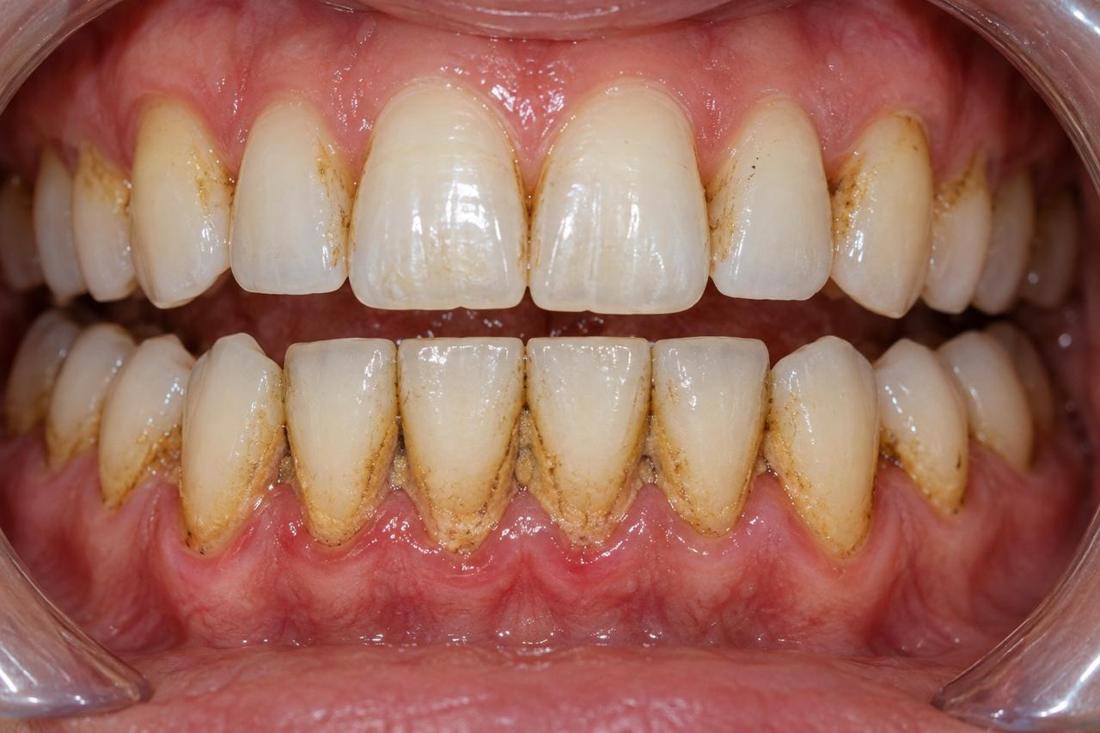
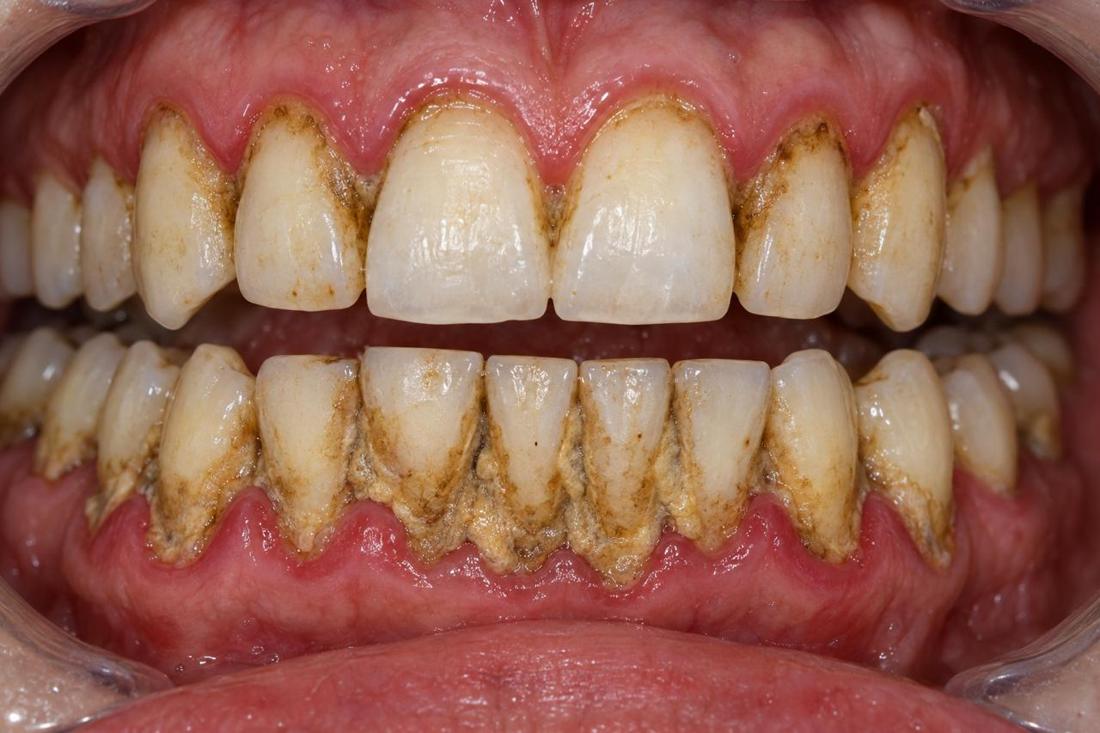
What Can Tartar Look Like?
Tap a level to compare. These are clinical photo examples, not a diagnosis.
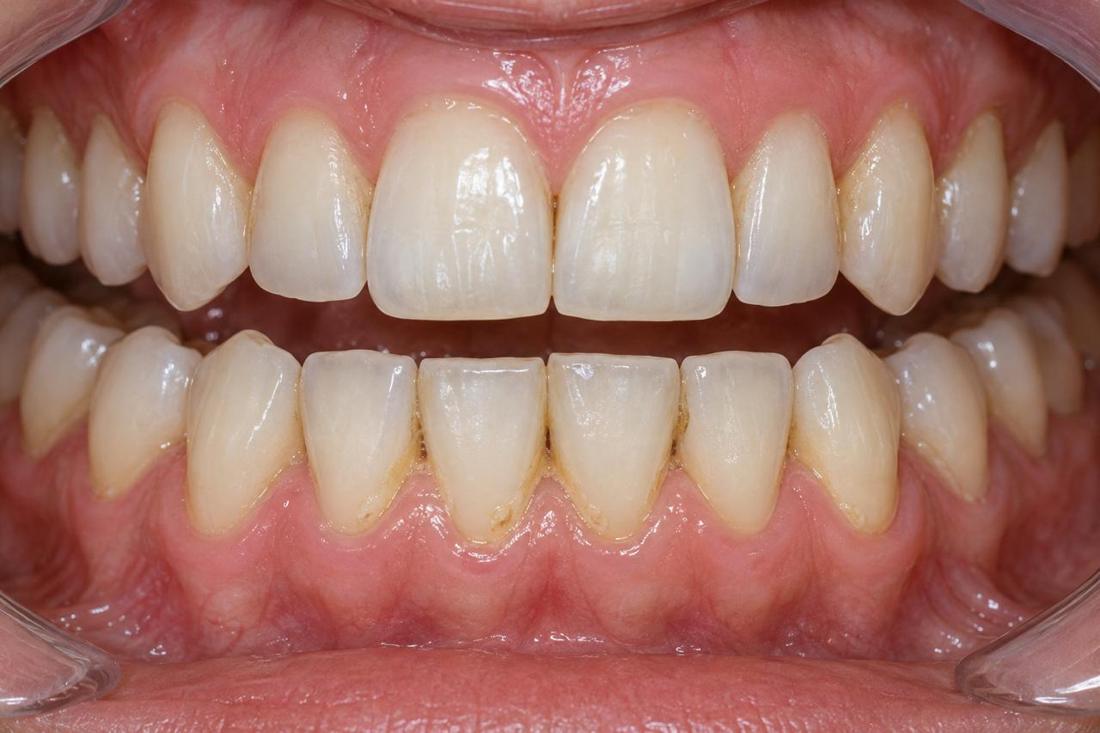
A little buildup may be visible near the gum line.
Buildup is more visible across the teeth. Cleaning needs vary from person to person.
Extensive buildup may come with gum concerns. A dentist can explain suitable care after examination.
Clinical photo examples. Your own condition, and the cleaning you need, are confirmed at examination.
Can Children Have Scaling?
Yes, when clinically needed.
Children can develop plaque and tartar too. However, the dentist will assess the child's teeth, gums and oral hygiene before deciding what cleaning is appropriate.
Dental Suite provides dental care for adults and children at all five branches.
What Happens During Scaling and Polishing?
If you have never had scaling before, you may wonder what the dentist actually does.
The procedure generally involves four stages.
Step 1: Dental Examination
Your dentist examines your teeth and gums to assess plaque, tartar and any signs of dental or gum problems.
The dentist will explain what cleaning is recommended and the applicable fees before treatment begins.
Step 2: Scaling
Scaling removes plaque and hardened tartar from the teeth, including deposits around the gumline.
The dentist may use an ultrasonic scaler, which works through vibration and a water spray.
Hand instruments may also be used to remove deposits from areas that require additional attention.
Step 3: Polishing
After scaling, the dentist uses a polishing instrument and paste to help remove some remaining surface stains and leave the tooth surfaces feeling smoother.
Polishing can improve the appearance of teeth affected by external staining, but it does not bleach their natural colour.
Step 4: Advice and Follow-Up
Your dentist will explain any findings from the examination.
If there are problems such as tooth decay or gum disease, they will discuss whether additional treatment is needed.
Any proposed treatment and its fees will be explained before you decide whether to proceed.
How Much Does Scaling and Polishing Cost at Dental Suite?
The price of scaling and polishing depends on the amount of tartar and the condition of your teeth and gums.
Dental Suite's scaling and polishing fee ranges from RM100 to RM250, excluding consultation.
Scaling and Gum Treatment Fees
| Treatment | Fee |
|---|---|
| Typical routine visit, total (consultation RM40 + scaling and polishing RM120) | RM160 |
| Scaling and polishing | RM100–RM250 |
| Localised deep scaling | RM100 per tooth |
| Root planing | RM100 per tooth |
| Dental examination and consultation (charged in addition) | RM40–RM100 |
See every Dental Suite fee in the full price list.
Why Might the Fee Be Different?
Not everyone needs the same amount of cleaning.
Some patients have a small amount of tartar, while others may have heavier deposits or gum problems that require more involved treatment.
Your dentist will assess your teeth and gums before confirming the appropriate treatment and fee.
Consultation fees are charged separately from treatment.
What About Panel Patients?
Dental Suite works with ASP Medical Group, PMCare and MedKad.
If you use one of these panels, contact our team through the clinic's official WhatsApp channel to check your eligibility and coverage before your appointment.
We may request relevant panel membership information to verify your benefits.
Coverage remains subject to your panel provider's terms and approval.
A note about photographs: Photographs shown on this page are for illustration only. They cannot determine whether you need scaling or gum treatment.
What's the Difference Between Routine Scaling and Deep Cleaning?
Routine scaling and more involved gum treatments are not necessarily the same.
Routine Scaling vs Deep Scaling and Root Planing
| Routine scaling & polishing | Localised deep scaling & root planing | |
|---|---|---|
| What it does | Removes plaque, tartar and certain surface stains | Cleans deposits deeper below the gumline and smooths affected root surfaces |
| Where | On the teeth, including around the gumline | Below the gumline, around the roots of the teeth |
| When it's used | When standard professional cleaning is sufficient | As part of treatment for periodontal (gum) disease |
| Visits | Usually one visit | May need additional appointments and follow-up |
| Fee | RM100–RM250 | Deep scaling RM100 per tooth; root planing RM100 per tooth |
Routine Scaling and Polishing
Routine cleaning removes plaque, tartar and certain surface stains.
It may be suitable when the dentist finds that standard professional cleaning is sufficient.
Localised Deep Scaling and Root Planing
If you have periodontal disease, plaque and tartar may collect deeper below the gumline, around the roots of the teeth.
The dentist may recommend additional treatment for these areas.
Root planing involves cleaning and smoothing affected root surfaces as part of periodontal treatment.
Depending on the condition of your gums, treatment may require additional appointments and follow-up assessments.
The need for deep scaling or root planing must be determined by a dental examination.
Your dentist will explain which procedures are needed, how the charges apply and whether further periodontal treatment is recommended.
What Should You Expect After Scaling?
Some temporary changes may occur after professional teeth cleaning.
Tooth Sensitivity
Your teeth may feel sensitive to cold food or drinks, particularly if you previously had heavy tartar deposits or exposed root surfaces.
This usually improves, although the duration varies.
Your dentist may recommend toothpaste for sensitive teeth.
Mild Gum Tenderness or Bleeding
If your gums were already inflamed, you may notice mild tenderness or slight bleeding after cleaning.
These symptoms generally improve as the tissues recover.
Contact your dentist if you experience heavy or persistent bleeding, severe pain or worsening swelling.
Caring for Your Teeth Afterwards
To maintain good oral hygiene:
- Brush twice daily using fluoride toothpaste.
- Clean between your teeth every day using floss or an appropriate interdental brush.
- Attend dental check-ups according to the schedule recommended by your dentist.
Scaling vs Teeth Whitening: What's the Difference?
Scaling and whitening serve different purposes.
Scaling and polishing remove deposits and some stains from the surface of teeth.
Teeth whitening uses a whitening agent to lighten the colour of natural teeth.
At Dental Suite, scaling and polishing are included in both in-clinic whitening packages:
- Gold Intro Package — RM399
- Platinum Advance Package — RM799
If you are interested in changing the shade of your teeth, read our Teeth Whitening Guide to understand how whitening works and whether it may be suitable for you.
Frequently Asked Questions About Scaling
Does Scaling Damage Tooth Enamel?
When carried out correctly by a dental professional, scaling is intended to remove plaque and tartar without damaging healthy enamel.
Your teeth may feel different after cleaning, especially if tartar deposits have been removed or certain areas are sensitive.
If you experience discomfort, inform your dentist.
Can I Have Scaling While Pregnant?
Yes. Routine dental cleaning is generally safe during pregnancy and may be particularly important if you have gum inflammation or bleeding.
Tell your dentist that you are pregnant and share any relevant medical concerns so your treatment can be planned appropriately.
There is usually no need to delay necessary dental cleaning solely because you are pregnant.
Can Children Have Scaling?
Yes, if the dentist determines that professional cleaning is needed.
The type of cleaning will depend on the child's dental development, oral hygiene and the condition of their teeth and gums.
How Often Should I Have Scaling?
The appropriate interval depends on your oral health.
Some patients may need more frequent periodontal care, while others may not require scaling at every routine check-up.
Your dentist will recommend a schedule based on your examination.
Is Scaling the Same as Whitening?
No. Scaling removes plaque and tartar, while whitening aims to lighten the colour of natural teeth using a bleaching agent.
Scaling and Polishing at Dental Suite
Scaling and polishing services are available at Dental Suite's five branches: Setiawangsa, Setapak, Bandar Baru Bangi, Shah Alam and Subang Jaya (USJ).
If you're unsure whether you need routine scaling or further gum treatment, a dental examination can help identify the appropriate care.
Clinical note: Treatment suitability and fees are determined following dental assessment.